

A British Virgin Islands catamaran vacation is about more than the yacht you choose. Once aboard, you share the rhythm of the day with your traveling companions: time on deck, meals, swimming opportunities, and visits ashore. This guide explains what life on a catamaran can involve and what to clarify before departure.
The examples below are illustrative, not a promised itinerary or package. Your experience depends on the individual yacht, the crew and services included in your agreement, weather and sea conditions, and your group’s preferences. If you are still comparing charter arrangements and available yachts, start with our BVI catamaran charter options.
What Does Life Aboard a BVI Catamaran Feel Like?
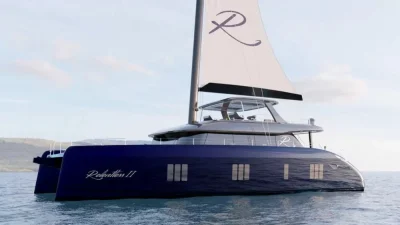
During a private charter, the yacht is both your accommodation and a place to spend time with your group while traveling between suitable stops. You can enjoy the view from a shaded seating area, take time to read or relax, and gather for conversations without returning to a hotel each night. The deck arrangement, access to the water, and available quiet spaces are different on every yacht.
The day is not a rigid timetable. You can discuss preferred activities and shore visits with your captain and crew, but passage times, anchorages, water activities, and changes to the route depend on practical and safety considerations. The amount of onboard service also depends on the crew arrangement you book.
An Illustrative Day Aboard a Crewed Catamaran
A day might follow this pattern, subject to your yacht’s services and the captain’s plan:
- Morning: Enjoy breakfast if it is included in your charter service, then discuss the day’s possibilities with the crew. The captain can explain the intended passage or anchorage and any relevant conditions.
- Late morning: Spend time on deck as the yacht moves, or remain at anchor if that better suits the group and the conditions.
- Midday: Depending on the location and safety arrangements, guests might swim, snorkel, use approved equipment, or take a tender ashore. Activities and equipment must be confirmed for the specific yacht.
- Afternoon: Return to the yacht, rest in the shade, enjoy a planned activity, or discuss whether another stop is practical.
- Evening: Relax together after the day’s activities. Dinner arrangements and whether you dine aboard or ashore depend on your plans, charter inclusions, and available options.
This is an example of how time may be organized, not a fixed schedule. For more detail about boarding and safety orientation, see our first day on a crewed yacht charter guide.
Dining, Drinks, and Time With the Crew
For guests on a fully crewed catamaran, meal preparation and hospitality can be an important part of the experience. However, do not assume that every yacht provides the same chef service, menu, beverages, snacks, or dining arrangements. Your written charter proposal should explain the services and inclusions for the yacht you select.
Before traveling, share dietary restrictions, allergies, preferred meals, children’s needs, and celebration requests through the appropriate preference process. The crew can explain which requests can be accommodated and whether anything requires separate planning or expense. Ask how meal times and shoreside dining fit with the expected cruising plan.
The captain remains responsible for operating the yacht safely. Other crew duties and guest service arrangements vary by charter, so it helps to understand those boundaries before boarding.
Cabins, Shared Spaces, and Personal Comfort
On a catamaran, guests can move between cabins and shared spaces during the day, subject to the boat’s layout and safety directions. The salon, cockpit, and deck seating may offer different places to gather or find a quiet moment. Some cabins have en-suite bathrooms and different bed configurations; others may have different facilities. Do not assume that photos of one catamaran describe another.
Before departure, check storage space, bathroom arrangements, ventilation or air-conditioning provisions, charging points, stairs, and access to shared areas. If several couples or generations are traveling together, agree on privacy expectations and cabin use in advance. Our BVI catamaran charter for groups guide covers the detailed cabin and guest-fit decisions.
Swimming, Snorkeling, and Visits Ashore
Part of the appeal of cruising the BVI is the opportunity to explore different surroundings without changing accommodations. Depending on the route and conditions, a day may offer time in the water, a beach visit, or a shoreside meal. Guests should check what is included and which activities require separate arrangements.
Access to a swimming area, use of water toys, tender transfers, snorkeling conditions, and shore landing options are subject to the yacht, crew directions, local restrictions, and the day’s weather. Follow the captain’s instructions before entering the water or boarding a tender.
If you have particular places in mind, share them early. Locations such as Norman Island, Virgin Gorda, and Jost Van Dyke may be considered on BVI routes, but a preferred stop is not a guaranteed stop. Explore the BVI yacht charter itineraries for route inspiration rather than a fixed schedule.
How Weather and Sea Conditions Shape the Day
Conditions can change the feel of a passage and the activities that are safe to offer. Wind, waves, rain, visibility, and access conditions may lead the captain to adjust the route, change an anchorage, delay a water activity, or suggest a different plan. Sailing and power catamarans have different operating characteristics, but neither removes the need to respond to conditions.
Ask what safety guidance guests receive, how tender and swimming rules are explained, and how to raise comfort concerns with the crew. If motion at sea is a concern, discuss it before departure. Our BVI yacht charter weather changes guide explores what happens when plans need to change.
What to Bring for Comfortable Days Aboard
Pack for a mix of time on deck, swimming opportunities, and casual shore visits. Space and storage vary, so ask your advisor about luggage size and what the yacht already provides. Practical items to consider include:
- Sun protection: Suitable clothing, a hat, sunglasses, and sunscreen compatible with your planned activities.
- For time on the water: Swimwear, a cover-up, footwear appropriate for boat and shore use, and a small bag for shore essentials.
- Personal needs: Regular medications, travel documents, chargers, and any items your group needs for comfort.
- Yacht-specific questions: Confirm towels, toiletries, equipment, available outlets, and any rules on footwear or luggage before packing.
For a fuller checklist, see what to pack for a BVI yacht charter.
Questions Worth Asking Before You Arrive
A few specific questions help set expectations without turning the vacation into a rigid timetable:
- What meals, beverages, equipment, and crew services are included in our written charter terms?
- What is the confirmed cabin setup, and how do climate control and charging facilities work?
- Which guest activities are possible on this yacht, and what depends on the captain’s safety approval?
- How are shore visits and tender transfers arranged, and are there separate costs?
- Who should we speak with if someone needs quiet time, has a dietary concern, or wants to adjust the day’s preferences?
Answers should come from the current yacht specification, charter terms, and your advisor or crew, not from assumptions about all catamarans.
Frequently Asked Questions About Life Aboard
Meal service and beverage inclusions depend on the yacht and the written charter terms. Ask your advisor what is included, how dietary preferences are collected, and which items or requests cost extra.
Swimming and snorkeling depend on the location, sea conditions, available equipment, and the captain’s safety directions. Ask about the planned activities and follow the crew’s instructions before entering the water.
Your preferred islands help shape the plan, but stops are not guaranteed. Weather, access restrictions, cruising distances, yacht capabilities, and the captain’s decisions can change the route.
Catamarans have shared living areas and individual cabin layouts that vary by vessel. Review the actual arrangement before booking and tell your advisor whether quiet spaces or cabin privacy are important to your group.
Guests on a professionally crewed charter do not need to operate the yacht. The captain manages navigation and safety. Captain-only and bareboat arrangements involve different guest responsibilities, which should be confirmed before booking.
Explore BVI Catamaran Options When You’re Ready
If this style of vacation appeals to you, the next step is to compare BVI catamaran charter options with the experience your group wants in mind. Charter the Caribbean can help you review actual yachts, crew arrangements, and written inclusions for your travel dates.
Already have dates and guest details? You can also send Charter the Caribbean a charter inquiry for personalized assistance.


