

Your first day on a crewed yacht charter is mainly about boarding, meeting the crew, learning how the yacht operates, and settling into the experience. Most guests begin with introductions, a yacht tour, a safety briefing, route planning, and their first meal aboard.
When timing and conditions allow, the yacht may then sail to a nearby anchorage for swimming, dinner, or a relaxed evening. Understanding what happens during the first day on a crewed yacht charter can help your group arrive prepared and avoid unnecessary stress.
This guide focuses specifically on embarkation day. For detailed information about yacht types, charter costs, inclusions, booking steps, and general onboard expectations, read our Yacht Charter for Beginners Guide.
Prepare for Your First Day Aboard
Review our beginner’s guide for broader charter planning information, or call our team with questions about preparing for your first day on a crewed yacht charter.
What Usually Happens on the first day on a crewed yacht charter?
A typical first day on a crewed yacht charter may include:
- Arriving at the confirmed boarding location
- Meeting the captain and crew
- Bringing luggage aboard
- Touring the yacht and your cabin
- Completing the captain’s safety briefing
- Reviewing the proposed route
- Enjoying refreshments or your first meal
- Cruising to the first anchorage when conditions allow
The order may change, especially when guests arrive late or the crew must account for weather, sea conditions, dock availability, or final operating requirements. Your captain will explain what is realistic for that afternoon.
How to Prepare for Your First Day Aboard a Crewed Yacht
A smooth embarkation begins before you leave your hotel, airport, or transfer point. Review the final instructions provided by your charter advisor. Confirm the yacht’s name, scheduled boarding time, charter meeting location, local contact number, and transfer arrangements.
Do not assume the yacht will be waiting at the destination’s largest marina. Depending on the charter, you may board from a marina, private dock, harbor, or tender pickup point.
Share your flight and hotel details with your charter advisor before traveling. If a delay occurs, contact the designated representative as soon as possible. The captain can then adjust the first afternoon when necessary.
Complete your yacht charter preference form before departure. Make sure the crew knows about allergies, dietary requirements, mobility needs, children’s routines, celebrations, and motion sensitivity. If motion is a concern for your group, see our BVI yacht charter seasickness planning guide before you travel.
The full preference form covers much more. However, the first day on a crewed yacht charter priority is confirming information that affects immediate safety, meals, or comfort.
Pack essential documents, medication, sunscreen, swimwear, and a change of clothes in an accessible bag. Soft-sided luggage is generally easier to store aboard.
For a complete list of clothing, documents, toiletries, and other essentials, review our Caribbean yacht charter packing list.
Arriving at the Confirmed Meeting Point
Try to arrive at the agreed embarkation time for your first day on a crewed yacht charter. Arriving very early may interrupt the crew while they clean, provision, refuel, and prepare the yacht. Arriving late may shorten the first cruise or delay departure until the following morning.
Keep the following information available on your phone or in printed form:
- Yacht name
- Marina, dock, or pickup location
- Captain, crew, or local representative’s contact number
- Boarding instructions
- Transfer details
- Passport and travel documents
Once you reach the meeting point, follow the crew’s boarding instructions. They will normally help with luggage and explain where guests should step, stand, or wait.
Avoid walking onto the yacht without permission. The crew may still be securing equipment, moving supplies, or preparing the boarding area.
Meeting the Captain and Crew
After boarding, the captain and crew will welcome your group and introduce themselves. Crew size varies by yacht. Therefore, you may meet a captain, chef, steward, deckhand, mate, or a larger service team.
These introductions help you understand who manages navigation, meals, cabins, activities, and guest service. The crew may offer welcome drinks or light refreshments while helping everyone settle aboard.
Use this time to mention any immediate concern that could affect the first day on a crewed yacht charter. Examples include mobility assistance, a serious food allergy, a child’s supervision needs, or discomfort after traveling.
You do not need to repeat every detail from your preference form. Instead, focus on information the crew needs immediately.
The captain may also explain when the yacht expects to depart and whether the first afternoon will include swimming, cruising, or simply settling in.
Tour the Yacht and Your Cabin
After boarding, a crew member will normally show you around the yacht.
The tour may include:
- Your assigned cabin
The crew will show you your cabin, sleeping area, storage space, lighting, and air-conditioning controls.
- Bathrooms and shower controls
Learn how to operate the shower, marine toilet, sink, and ventilation system correctly.
- Indoor and outdoor dining areas
The crew will point out where meals, snacks, and drinks may be served during the charter a yacht.
- Lounges and shaded spaces
Discover the best areas for relaxing, reading, socializing, or enjoying protection from the sun.
- Swim platforms
The crew will explain how to safely enter and leave the water from the yacht’s swim platform.
- Charging points
Find the available electrical outlets and USB ports for charging phones, cameras, and other devices.
- Emergency exits
The crew will identify emergency exits and explain how to reach them if an urgent situation occurs.
- Areas reserved for the crew
The crew will show you which workspaces, cabins, and operational areas are private or restricted.
Learning how the cabin works early gives you more time to enjoy your crewed yacht charter arrival day. The yacht tour helps guests feel more comfortable during the first day on a crewed yacht charter, especially when they have never stayed aboard a private yacht before.
Additionally, the crew may explain how to operate cabin lights, air conditioning, windows, toilets, and electrical outlets. Therefore, listen carefully to instructions about marine toilets because their systems can differ from those in hotels or private homes.
You should also ask where to store shoes, towels, personal electronics, medication, and wet clothing. After the tour, unpack a few essential items. You do not need to organize everything immediately. Instead, settle in and allow the first afternoon to develop naturally.
Safety During Your First Crewed Yacht Charter Day
The safety briefing is one of the most important parts of embarkation day. The captain may explain life jackets, emergency exits, fire equipment, railings, hatches, stairs, tender procedures, swimming rules, and safe movement while the yacht is underway.
The U.S. Coast Guard’s life-jacket guidance explains the importance of carrying suitable, properly fitted flotation equipment. It also notes that adult-sized life jackets may not work correctly for children.
However, the Coast Guard guidance addresses recreational boating requirements in the United States. U.S. regulations do not automatically govern every yacht or Caribbean destination.
The procedures that apply to your charter may depend on local law, the yacht’s flag state, charter-area regulations, and the captain’s operating rules. Always follow the instructions provided aboard your yacht.
Make sure children attend the briefing and understand which areas require adult supervision. Guests should also tell the captain about limited mobility or another concern that may affect emergency assistance.
Do not treat the briefing as a formality. Even experienced boaters need to listen because every yacht has a different layout, equipment setup, and safety procedure.
Reviewing the Proposed Route
During the first day on a crewed yacht charter experience, the captain may review the first anchorage, expected cruising time, weather, meal plans, swimming opportunities, and possible shore activities.
Keep this conversation focused on the immediate route. The captain may select a nearby anchorage after a late arrival. The plan may also change because of wind, waves, mooring availability, local restrictions, or guest comfort.
Share your priorities, but remember that the proposed itinerary is not a guaranteed schedule. The captain must make the final operating decisions based on safety and current conditions.
You can review our Caribbean yacht charter itineraries before traveling to understand how anchorages, shore visits, and activities may fit into a complete route.
You can also explore our Caribbean yacht charter destinations for more information about the region your group plans to visit.
On the first day, the main goal is not to plan every hour of the vacation. Instead, focus on agreeing to a safe and comfortable start.
Your First Meal Aboard the Crewed Yacht
Your first meal on the first day on a crewed yacht charter may be lunch, snacks, cocktails, or dinner, depending on the boarding time. The chef will already have used your preference form to plan provisioning and menus.
When you meet the chef, confirm any serious allergy or dietary requirement. You can also discuss the group’s preferred dining time, children’s meal schedule, or a special celebration planned for the first evening.
Avoid turning the first meal into another long start planning session. It should give everyone time to relax, recover from travel, and begin connecting with the crew.
For a detailed explanation of meals, standard beverages, water toys, operating expenses, and possible additional charges, read our yacht charter inclusions guide.
Always review your specific charter agreement because inclusions vary by types of yacht, destination, and pricing structure.
Cruising During the First Day on a Crewed Yacht Charter
When timing, weather, and operating conditions allow, the yacht may leave the dock after the orientation. The first passage is often relatively short. This gives guests time to adjust while the crew completes preparations for the evening.
While the yacht is moving, use handrails and follow the crew’s instructions. Keep personal belongings secure and avoid entering restricted operating areas.
Once the yacht anchors or takes a mooring, the captain will explain the next steps. Some groups may swim, paddleboard, or snorkel. Others may prefer to unpack, rest, or enjoy dinner without adding more activities.
Do not feel pressured to fit every experience into the first afternoon. A calm beginning often gives the group a better start than a rushed schedule.
A flexible schedule often makes the first day on a crewed yacht charter more enjoyable because guests have time to recover from traveling and adjust to life aboard.
Swimming and Water-Toy Rules
Wait for crew approval before entering the water or using equipment. The captain must confirm that the yacht is secure, the engines are safe, and the surrounding area is suitable.
Follow instructions about snorkeling gear, paddleboards, kayaks, floating platforms, tenders, and other water toys. Some activities may require supervision, flotation equipment, age limits, or suitable weather conditions.
Stay clear of engines, propellers, mooring lines, tenders, neighboring vessels, and areas with strong currents. Do not jump from a deck unless the captain specifically approves it. Water depth and underwater hazards can vary between anchorages.
Children may need closer supervision or suitable flotation equipment around the swim platform. The captain’s approval should guide every first-day water activity, even when the sea appears calm.
What to Wear and Keep Accessible
Wear comfortable, lightweight clothing for embarkation. A casual shirt, shorts, sundress, or similar warm-weather outfit usually works well. Swimwear underneath may be useful when the first anchorage allows swimming.
Choose shoes that are easy to remove. Many yachts use a barefoot policy or permit only clean, non-marking deck shoes.
Keep these items accessible:
- Travel documents
- Essential medication
- Sunscreen
- Sunglasses
- Swimwear
- Light cover-up
- Change of clothing
- Phone charger
- Personal toiletries
Do not bury medication, passports, or other essentials at the bottom of your main luggage. You may not have time to unpack fully before the yacht departs.
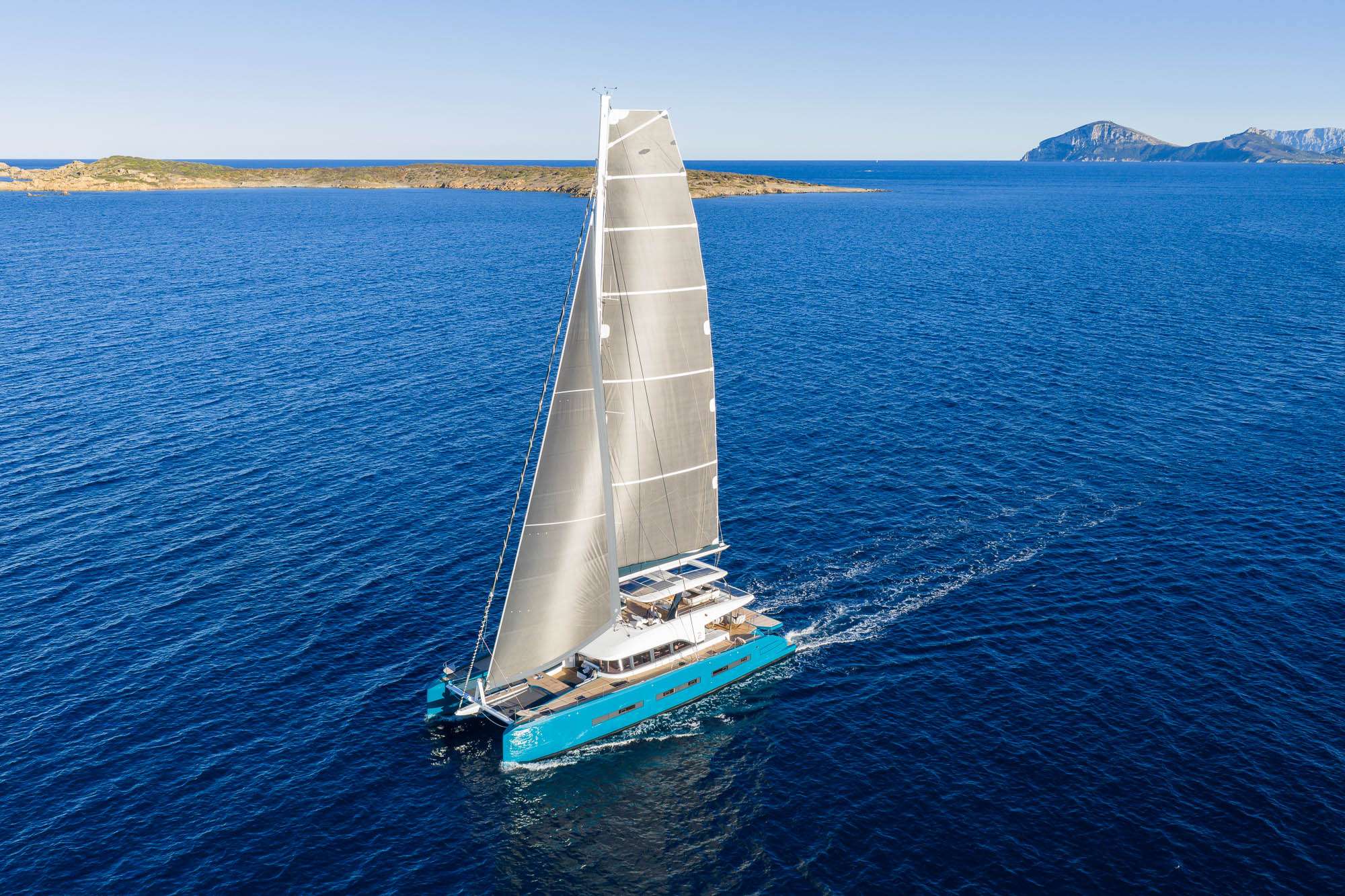
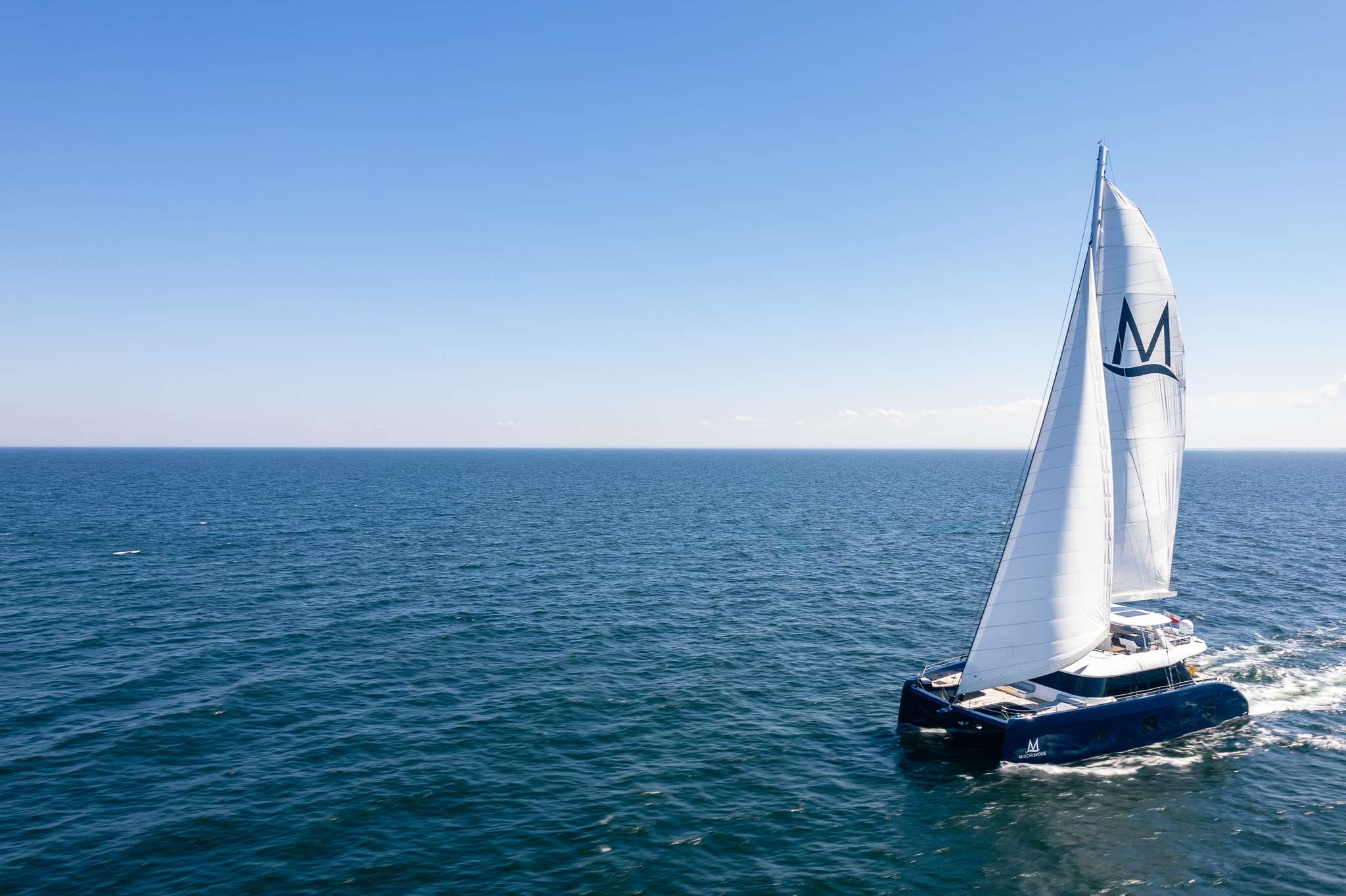
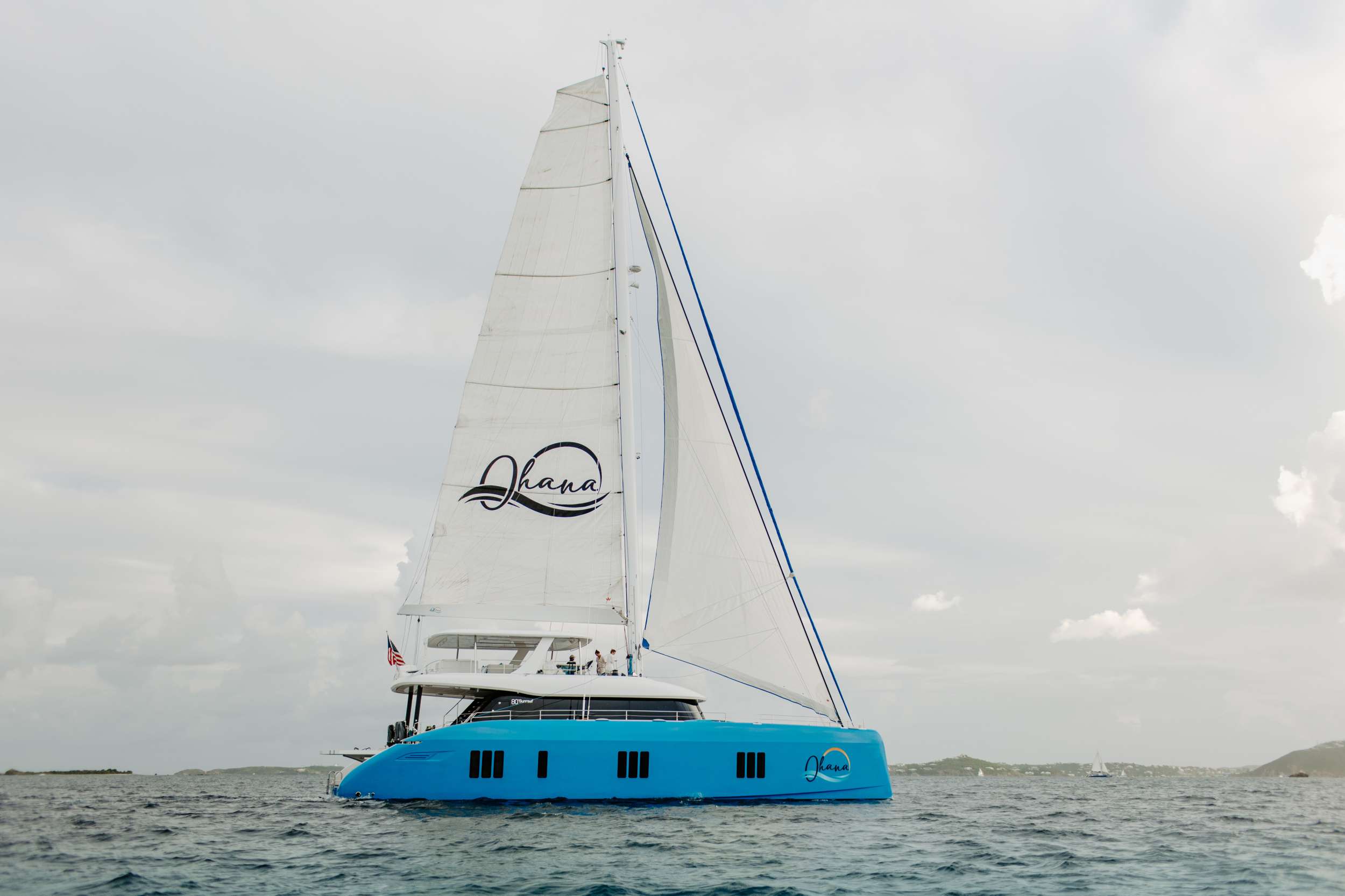
Recommended Sailing Catamarans
View all yachts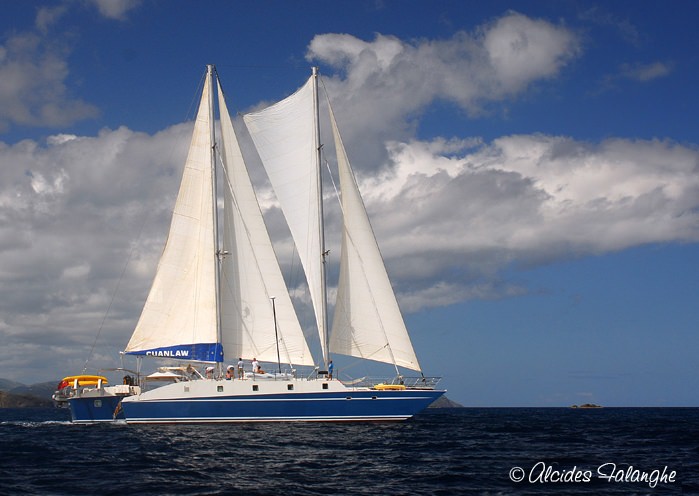
Preparing for Motion Sensitivity
Guests concerned about motion sensitivity during the first day on a crewed yacht charter should speak with a qualified medical professional before traveling. Bring only remedies or products approved for your personal needs and follow professional instructions.
The CDC’s motion-sickness guidance explains that preparing before travel can be helpful because preventive measures may work better before symptoms become established. It also notes that available products can cause side effects or may not suit every traveler.
Tell the captain early if you begin to feel uncomfortable. The crew may help you find a more stable or ventilated area. The captain may also adjust the first anchorage when the route and conditions allow.
This information provides general preparation guidance and does not replace personal medical advice.
Common First-Day Mistakes to Avoid
A little preparation can make your arrival more relaxing. Avoid these common mistakes before and after you step aboard.

Not Checking the Boarding Location
The yacht may not be docked where you expect. Follow the final embarkation instructions before leaving your hotel.
Save the marina details
Bringing Large Rigid Luggage
Large suitcases can fill valuable cabin space. Soft bags are easier to fold and store inside yacht compartments.
Choose soft-sided bags
Expecting a Guaranteed Route
Weather, timing, sea conditions, and local restrictions may require the captain to adjust the planned itinerary.
Stay flexible with stops
Skipping Preference Details
Missing allergy, dietary, or beverage details can make provisioning more difficult for the chef.
Complete every preference
Planning Too Many Activities
Travel days can feel tiring. Leave time to unpack, eat, swim, and become comfortable aboard.
Keep day one relaxed
Ignoring the Safety Briefing
Every yacht has different equipment, exits, and procedures. Even experienced guests should listen carefully.
Ask safety questions
Entering the Water Too Soon
Wait until the crew confirms the engines are off and the swimming area is safe.
Wait for the all-clear
Bringing Unsuitable Items
Bulky gear, candles, and certain water toys may be unsafe or difficult to store aboard.
Ask what is providedFinal Tips for Your First Day on a Crewed Yacht Charter
A successful first day on a crewed yacht charter does not require a packed activity schedule. Keep the first afternoon flexible, avoid arranging an important shore excursion immediately before boarding, and tell the crew when your group needs time to rest after traveling.
Let children explore their cabins only after they understand the yacht’s safety boundaries. Meanwhile, adults can organize essential belongings while the crew prepares the yacht for departure or dinner.
Ask questions when instructions are unclear. It is better to confirm how a yacht system works than to make assumptions based on a previous vacation or hotel stay.
Most importantly, communicate clearly without trying to control every detail. The captain and crew can create a smoother first day when they understand your group’s immediate comfort, meals, and activity needs.
Begin Your Crewed Yacht Charter With Confidence
Your first day on a crewed yacht charter should help everyone slow down and settle into the experience. You will normally meet the crew, tour the yacht, complete the safety briefing, review the proposed route, and enjoy your first meal aboard.
When conditions allow, the yacht may then cruise to a nearby anchorage. Prepare the essential travel details before arrival, keep important items accessible, and follow the captain’s instructions.
Once the orientation is complete, allow the crew to manage the yacht while your group begins enjoying the Caribbean.
Check out the Best Time for a Caribbean Catamaran Charter.
Ready to Plan Your First Crewed Yacht Charter?
Share your travel dates, guest count, destination, cabin needs, yacht preferences, and approximate budget. Our charter team will help you compare suitable yachts, crews, rates, and itineraries.
FAQ About the First Day on a Crewed Yacht Charter
Only when the yacht and crew approve it in advance. Crews often need the full turnaround period to clean, provision, refuel, and prepare the yacht.
Not always. The crew may need to complete orientation, paperwork, provisioning, or final preparations first. Arrival timing and weather may also affect departure.
Often, yes. However, the captain must approve swimming after the yacht reaches a suitable anchorage.
Contact your charter advisor or local representative immediately. The captain may shorten the first route or adjust the embarkation plan.
You can discuss your preferences with the captain. However, all route decisions remain subject to weather, safety, time, yacht capabilities, and local regulations.


