

Caribbean Motor Yacht Charters
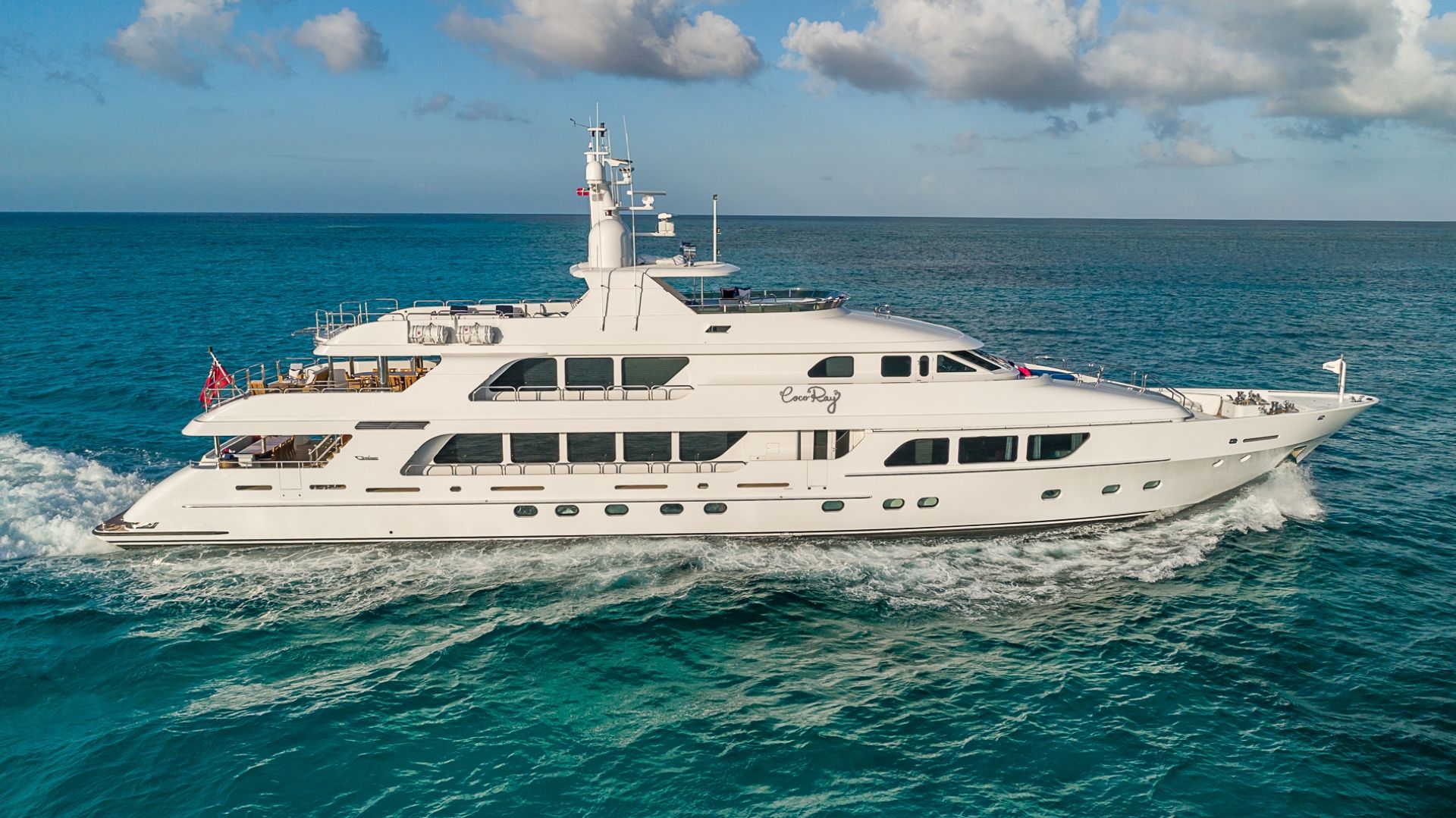
Choose a motor yacht for faster cruising, premium onboard amenities, and the ability to explore more destinations during your charter.
A crewed motor yacht charter may suit travelers who value powered cruising, professional service, and a yacht matched to their group. Motor yachts use engines for propulsion, making them practical when covering more distance is an important part of the itinerary.
The right motor yacht depends on more than size or appearance. Cabin configuration, guest count, cruising speed, draft, stabilizers, crew setup, onboard amenities, water toys, itinerary compatibility, and total charter budget can all vary from one yacht to another.
Charter the Caribbean can help narrow the options based on your dates, group size, cabin requirements, destination, preferred activities, yacht preferences, and approximate budget.
Motor yachts may be available across a range of Caribbean and Bahamas cruising areas, but availability and suitability are yacht-specific. Operating area, draft, itinerary, seasonal positioning, local conditions, and current availability should be confirmed for the individual yacht and your charter dates.
Is a Motor Yacht Right for Your Charter?
A motor yacht may suit groups that value powered cruising, professional crew service, and yacht-specific accommodation or itinerary options. These features vary by yacht, so the right choice depends on your group’s priorities.
Powered Cruising and Your Itinerary
Motor yachts travel under engine power, which may suit guests who want to move between islands without making sailing part of the experience. Cruising speed, range, fuel consumption, and the distances that are practical during a charter vary by yacht.
A faster yacht does not automatically mean a better itinerary. The route will depend on your destination, charter length, weather, sea conditions, local restrictions, and the captain’s judgment.
Space and Accommodation
Motor yachts are available in many different sizes and layouts. Depending on the yacht, your group may have multiple cabins, dining areas, shaded decks, lounges, and spaces for relaxing together.
Do not assume a motor yacht offers more space than another yacht type. Compare the actual layout with your group’s needs. Cabin configuration, bed arrangements, ensuite facilities, stairs, deck access, and shared spaces can all affect how well the yacht fits.
Crew and Onboard Service
Crew size and responsibilities depend on the individual yacht. Some motor yachts operate with larger teams and more specialized service roles, while others have smaller crew arrangements.
When comparing yachts, consider the style of service your group prefers as well as the number of crew members. Dining preferences, activities, privacy, special occasions, and preferred crew interaction can all help determine the right yacht fit.
Comfort Underway
Ride characteristics vary with yacht design, size, hull form, speed, sea conditions, and other factors. Some motor yachts have stabilizers that may reduce motion in certain conditions. Stabilizer systems and their capabilities vary by yacht.
If motion sensitivity matters to your group, confirm the yacht’s stabilizers. Also discuss the cruising area and itinerary before deciding.
Draft and Destination Access
Draft also varies by yacht. It can affect which anchorages, harbors, marinas, and cruising areas are practical for a particular itinerary.
This is especially relevant when considering destinations with shallow waters. Instead of assuming that all motor yachts can access the same locations, the yacht’s specifications and the proposed route should be reviewed together.
Amenities and Water Toys
Onboard features differ significantly between motor yachts. Depending on the yacht, amenities may include entertainment systems, outdoor dining areas, swim platforms, tenders, snorkeling gear, paddleboards, kayaks, or other water toys.
Do not assume a specific amenity or activity is included. Confirm important features, equipment, accessibility needs, or entertainment options for the individual yacht.
When Another Yacht Type May Fit Better
A motor yacht is not automatically the right choice for every Caribbean charter.
A sailing catamaran may suit your group if sailing is part of the experience you want. It may also fit your preferred layout or charter style.
A power catamaran may suit guests who want engine-powered cruising with the layout, beam, or other features of a multihull.
Compare the specific yachts available for your dates, destination, guest requirements, and budget rather than comparing yacht types alone. Charter the Caribbean can compare suitable options and help you choose the yacht type that best matches your priorities.
How to Choose the Right Motor Yachts
Once you have decided that a motor yacht may suit your group, the next step is comparing individual yachts rather than relying on yacht-type assumptions. The best fit depends on how the yacht’s layout, performance, crew, operating area, and charter terms align with your plans.
Start With Your Group and Cabin Needs
Guest count is only the starting point. Look closely at the cabin layout, bed configuration, ensuite arrangements, and how the sleeping spaces work for couples, families, children, or friends traveling together.
A yacht that can accommodate your total number of guests may still be a poor fit if the cabin arrangement does not match your group.
Guest capacity should always be confirmed for the individual yacht and charter arrangement rather than assumed from yacht size.
Consider Cruising Speed and the Distances You Want to Cover
Cruising speed determines how much time your group spends underway and which routes fit within your charter. If you plan to visit several islands, compare the yacht’s cruising performance with your proposed itinerary.
Higher speed can increase fuel use, so consider performance alongside the total charter budget. The captain may adjust the route for weather, sea conditions, local requirements, yacht capability, or guest preferences.
Ask About Stabilizers if Motion Is a Concern
Some motor yachts use stabilizer systems to reduce certain types of movement while underway, at anchor, or both.
Not every motor yacht has stabilizers, and their capabilities differ. If anyone in your group is particularly sensitive to motion, confirm the yacht’s equipment and discuss your concerns before booking.
Stabilizers can be an important selection factor, but they should not be treated as a guarantee of a motion-free experience.
Check Draft Against the Destination
A yacht’s draft—the depth of the vessel below the waterline—can influence where it can safely cruise, anchor, or enter.
This can matter in destinations with shallow banks, entrances, anchorages, or marina approaches, including parts of the Bahamas.
Rather than choosing a yacht based on a general assumption about motor-yacht draft, compare the specifications of the individual yacht with your preferred cruising area and proposed itinerary.
Consider the Crew and Style of Service
The crew is an important part of a crewed motor yacht charter, but crew size, roles, experience, and service style vary by yacht.
When comparing options, consider what matters to your group: dining preferences, dietary requirements, preferred activities, level of formality, privacy, celebrations, or how much guidance you would like during the charter.
Relevant crew information should be confirmed from the yacht’s current profile rather than assumed from the yacht’s size or type.
Confirm the Amenities and Water Toys You Actually Want
Motor yachts may offer a wide range of onboard features, but there is no standard package. If your group wants specific equipment, confirm what is currently carried aboard the yacht. Also check whether any water toys or equipment have operating or age restrictions.
The same applies to features such as Wi-Fi, entertainment systems, outdoor dining areas, swim platforms, or accessibility considerations. Select the yacht for the features your group will genuinely use rather than the length of its amenities list.
Match the Yacht to the Itinerary
The right yacht and the right itinerary should be considered together.
A route that works for one motor yacht may not suit another because yacht specifications and operating capabilities vary. Draft, range, cruising speed, fuel use, marina access, and operating area can all affect itinerary suitability. Sample itineraries are useful planning guides, but final routes remain flexible.
Routes may change based on guest preferences, weather, sea conditions, captain judgment, yacht capability, local availability, or regulations.
Compare the Total Charter Budget
The advertised base charter rate does not necessarily represent the full cost of a motor yacht charter.
Depending on the yacht and charter agreement, additional expenses may include items such as fuel, food and beverages, dockage, local taxes or fees, communications, shoreside expenses, and other charter-related costs.
Many motor yacht charters use an Advance Provisioning Allowance (APA) or another plus-expenses structure. Confirm the applicable percentage, inclusions, exclusions, reconciliation process, and financial terms in the current yacht proposal and charter agreement.
When comparing yachts, consider the expected total charter cost—not simply the base rate.
Recommended Power Yachts
View all yachts

How CTC Helps You Choose the Right Motor Yacht
Once your dates, guest count, cabin requirements, destination, preferred activities, yacht preferences, and approximate budget are clear, the search can be narrowed to yachts that genuinely fit the charter.
Narrow the Search to Motor Yachts That Fit
Tell us about your dates, group, cabin needs, destination, activities, and approximate budget. We can help identify suitable motor yachts and compare the options that best match your charter requirements.
Motor Yachts vs. Sailing Catamaran vs. Power Catamaran
Choosing between a motor yacht, sailing catamaran, and power catamaran is less about which yacht type is “best” and more about which one fits your group, itinerary, preferred experience, and budget.
Each category includes yachts with different layouts, performance, crew arrangements, amenities, and charter terms, so the final decision should be based on the individual yachts available for your dates.
| Yacht Type | May Suit You If… | Important Considerations |
|---|---|---|
| Motor Yacht | You value powered cruising, professional crew service, specific onboard features, or want to consider itineraries where cruising speed and range may be important. | Fuel use, draft, cruising performance, stabilizers, cabin layout, amenities, and operating costs vary significantly by yacht. |
| Sailing Catamaran | You want sailing to be part of the charter experience and prefer the layout or feel of a sailing multihull. | Sailing conditions, yacht performance, cabin arrangement, onboard space, and charter inclusions vary. Some itineraries may involve a combination of sailing and engine use. |
| Power Catamaran | You prefer engine-powered cruising but are interested in the layout and characteristics of a multihull. | Cruising speed, fuel consumption, draft, range, layout, and charter structure differ by yacht and should be compared individually. |
When a Motor Yachts May Be the Better Fit
A motor yacht may deserve closer consideration when your priorities include:
- covering greater distances within the available charter time;
- selecting a yacht around particular cabin or deck-space requirements;
- having specific onboard amenities or water toys;
- choosing a particular style of crewed service; or
- matching the yacht’s cruising capabilities to a more ambitious itinerary.
These are not guaranteed characteristics of every motor yacht. They are factors to compare when reviewing individual yachts.
When a Sailing Catamaran May Make More Sense
A sailing catamaran may suit your group if being under sail is an important part of the experience, or if you prefer the accommodation, deck layout, or overall charter style of a particular catamaran.
Compare sailing catamarans if your group values the onboard experience and time at anchor more than covering longer distances quickly. The actual experience will depend on the yacht, weather and sea conditions, route, and captain’s judgment.
When to Consider a Power Catamaran
A power catamaran can be worth comparing when you want engine-powered cruising but prefer a multihull configuration.
Depending on the individual yacht, that may provide a different balance of interior space, deck layout, draft, cruising performance, and fuel use than either a sailing catamaran or conventional motor yacht.
Rather than treating a power catamaran as a fixed “middle option,” compare its specifications and charter terms directly with the other yachts under consideration.
Compare the Individual Motor Yachts, Not Just the Category
Two yachts in the same category can differ substantially in cabin configuration, crew, performance, stabilizers, draft, water toys, amenities, charter rate, and additional expenses.
That is why yacht type should narrow the search—not determine the final choice.
Charter the Caribbean can compare suitable motor yachts, sailing catamarans, and power catamarans based on your dates, guest count, cabin needs, destination, preferred activities, and approximate budget.
What Does a Motor Yacht Charter Cost?
Motor yacht charter pricing varies widely based on the individual yacht, charter dates, destination, length of charter, and the expenses associated with the planned itinerary. For that reason, the advertised weekly or base charter rate should not be treated as the total cost of the trip.
Many crewed motor yacht charters operate on a plus-expenses basis. Depending on the yacht and charter agreement, additional expenses may include fuel, food and beverages, dockage, local taxes or fees, communications, shoreside costs, and other charter-related expenses.
What Is APA?
Some motor yacht charters use an Advance Provisioning Allowance (APA). This advance payment covers eligible charter expenses during the trip, such as provisioning, fuel, and certain operating costs.
The amount, percentage, permitted expenses, accounting process, and reconciliation terms can vary by yacht and charter agreement. Confirm these details in the current yacht proposal and contract instead of relying on a general rule.
During the charter, the captain maintains records of expenses paid from the APA. Any applicable balance or additional amount due is handled according to the terms of the charter agreement.
Fuel Can Make a Meaningful Difference
Fuel expense can vary considerably between motor yachts and itineraries. Yacht size, cruising speed, engine configuration, distance traveled, generator use, and other operational factors can all affect consumption.
A charter covering longer distances or operating at higher speeds may have different fuel requirements from one focused on shorter passages and more time at anchor.
If total budget is an important factor, compare the expected itinerary and operating profile of the yacht rather than looking only at its base charter rate.
Other Costs to Confirm
Depending on the yacht, destination, and agreement, your proposal may also include or address:
- local taxes and government fees;
- dockage or marina charges;
- food and beverage preferences;
- communications or connectivity charges;
- delivery or repositioning fees, where applicable;
- shoreside activities or transfers; and
- gratuity practices, where applicable.
Not every expense applies to every charter, and the treatment of these costs can differ by yacht and cruising area.
Compare the Total Charter Arrangement
A lower base rate does not necessarily mean a lower total charter cost. The more useful comparison is the overall charter arrangement: the yacht, itinerary, operating expenses, inclusions, exclusions, and current contractual terms.
Charter the Caribbean can help you compare suitable motor yachts within your approximate budget and explain the cost structure provided for the specific yachts under consideration.
Compare Motor Yachts Within Your Budget
Share your dates, guest count, cabin needs, destination, and approximate budget. We can help narrow the options and compare the charter structure of suitable motor yachts.
Best Caribbean Destinations for Motor Yacht Charters
The right cruising area depends on the yacht, your charter dates, the distances you want to cover, and the experience your group prefers.
Motor yacht availability varies by season and yacht. Plan the destination alongside yacht selection instead of assuming year-round Caribbean operation.
The Bahamas
The Bahamas may appeal to motor yacht charter guests who want island-hopping, anchorages, beaches, snorkeling, and plenty of time on the water.
Shallow banks and entrances make the individual yacht’s specifications especially important. Consider draft, cruising range, tender setup, local conditions, and the intended route when selecting a yacht.
The Exumas, Abacos, and other Bahamian cruising areas offer different experiences. The best fit depends on your group, travel plans, and the yachts operating there.
British Virgin Islands
The British Virgin Islands offer relatively close island-to-island cruising and many possible stops within a compact cruising area.
The BVI may suit groups who want beaches, snorkeling, waterside dining, and several island stops without planning long passages every day.
Keep the final route flexible. The yacht, guest preferences, weather, sea conditions, local availability, regulations, and captain’s judgment can all affect the itinerary.
U.S. Virgin Islands
The U.S. Virgin Islands can serve as the primary cruising area for a motor yacht charter.
Some itineraries may also combine the USVI with nearby destinations when the yacht, charter arrangements, and current requirements allow.
Confirm yacht availability, entry requirements, cruising permissions, and itinerary feasibility for the specific charter before finalizing your plans.
Other Caribbean Cruising Areas
Depending on the yacht and season, motor yacht options may also operate in other Caribbean destinations.
Travel access, distances between stops, marina and anchorage options, local regulations, seasonal conditions, and yacht availability vary by cruising area.
Compare where suitable yachts are operating for your dates instead of choosing a destination from a general list alone.
For current destination and boating information, see the official Bahamas boating guide .
For additional destination and cruising information, visit the British Virgin Islands Tourism sailing guide .
Caribbean or Bahamas: Which Is Better for Your Group?
There is no single destination that works best for every motor yacht charter.
The Bahamas may appeal to groups particularly interested in shallow-water scenery, beaches, island-hopping, and water-based activities.
A Caribbean cruising area such as the BVI may suit guests who want a different combination of island culture, shoreside stops, protected anchorages, and relatively compact cruising.
The better choice depends on your dates, travel arrangements, yacht availability, preferred activities, desired pace, and approximate budget.
Charter the Caribbean can help compare both the yachts and destinations that fit your group rather than treating those decisions separately.
Find the Right Motor Yacht for Your Group
Share your preferred dates, guest count, cabin needs, destination, activities, and approximate budget. Charter the Caribbean can help narrow the options to motor yachts that fit your charter requirements.
Frequently Asked Questions About Motor Yacht Charters
A crewed motor yacht charter is a private yacht charter in which a professional crew operates the yacht and provides onboard services according to the yacht’s crew structure and charter arrangement.
Review the yacht’s crew size, accommodations, amenities, operating area, and expense structure before making a decision.
Not necessarily. Choose a motor yacht, sailing catamaran, or power catamaran based on your group, destination, itinerary, preferred experience, and budget.
Motor yachts may be worth considering when powered cruising, particular onboard features, or cruising performance are priorities. Sailing catamarans may appeal when sailing is part of the desired experience, while power catamarans offer engine-powered cruising in a multihull configuration.
The most useful comparison is between the individual yachts available for your dates.
Guest capacity varies by yacht and charter arrangement.
When comparing options, look beyond the total guest number and consider cabin count, bed configuration, ensuite arrangements, and how the layout works for your particular group. Capacity should always be confirmed for the individual yacht.
It depends on the yacht and charter agreement.
Some charter structures handle food and beverages through an Advance Provisioning Allowance or other expense arrangement, while inclusions can differ between yachts and destinations.
The current proposal and charter terms should be checked to understand what is included and what is charged separately.
APA stands for Advance Provisioning Allowance. On charters that use an APA structure, the funds cover eligible expenses such as provisioning, fuel, and certain operating costs.
Confirm the applicable amount, covered expenses, accounting process, and reconciliation terms in the yacht’s current charter agreement.


