


When you plan a private island escape, one important question often comes first: What does a Caribbean yacht charter really cost? Whether you want to cruise turquoise waters, island-hop through the Virgin Islands. Or to book a fully crewed BVI catamaran for groups of friends or family, you will need a clear budget to plan with confidence.
In fact, understanding how yacht charter pricing works makes the process much easier. So, the costs can vary widely based on yacht type, season, destination, and onboard services, but once you know what influences the price, you can make informed decisions. Some Caribbean yacht charters include most expenses upfront, while others follow a plus-expenses structure, which bills fuel, dockage, food, beverages, and related costs separately.
Yacht charter pricing follows established industry practices, including advance provisioning allowances and charter agreements, as outlined by international yacht charter pricing standards set by the Worldwide Yachting Association (MYBA).
At CKIM Group Inc., we help guests compare yachts, understand what is included, and build a realistic charter budget before booking. Which also means fewer surprises, better yacht matches, and a smoother planning experience from the first inquiry to your final day onboard.
Ready to compare yacht options? Start with our guide to Caribbean yacht charter prices below:
Caribbean Yacht Charter Cost at a Glance
A Caribbean yacht charter can actually range from an entry-level sailing vacation to a high-end private motor yacht or superyacht experience. Most guests book by the week, although shorter or longer itineraries may be possible depending on the yacht, destination, and season.
In general, crewed catamarans are among the most popular choices in the Caribbean because they offer excellent space, comfort, and stability. Meanwhile, motor yachts and power catamarans often appeal to guests who want more speed, premium amenities, and the ability to cover more distance during the charter.
| Yacht Category | Guests | Typical Weekly Cost | Best For |
|---|---|---|---|
| Bareboat Sailing Yacht | 2–6 | $6,000–$35,000+ | Experienced sailors who want to manage the yacht themselves |
| Crewed Sailing Yacht | 2–6 | $15,000–$30,000+ | Couples, small families, and relaxed sailing vacations |
| Crewed Catamaran | 6–10 | $25,000–$45,000+ | Families, groups, and first-time charter guests |
| Premium Crewed Catamaran | 8–10 | $45,000–$75,000+ | More space, stronger amenities, and elevated service |
| Power Catamaran | 8–12 | $50,000–$100,000+ | More speed, comfort, and island-hopping flexibility |
| Motor Yacht | 8–12 | $70,000–$150,000+ | Faster cruising and a higher service level |
But these numbers are starting guidelines, not fixed quotes. The final Caribbean yacht charter cost depends on availability, travel dates, yacht age, cabin layout, crew reputation, destination, fuel use, and whether the charter is all-inclusive or plus expenses.
What Determines the Cost of a Caribbean Yacht Charter?
Several factors, however, shape the total charter investment. Understanding them allows you to make better choices before you book.
| Cost Factor | How It Affects Price |
|---|---|
| Yacht Type & Size | Larger yachts, motor yachts, and newer builds usually cost more because of fuel, crew size, maintenance, and onboard amenities. |
| Season & Demand | Peak season, especially Christmas, New Year, and winter holidays, usually commands premium pricing. |
| Charter Duration | Longer charters cost more overall, but some yachts may offer better value on extended itineraries. |
| Inclusions | All-inclusive charters are easier to budget, while plus-expenses charters require a separate allowance for operating costs. |
| Crew & Service Level | A larger or highly specialized crew, including chefs, stewards, engineers, and dive instructors, can increase the charter value and rate. |
| Destination | Remote cruising grounds, longer passages, dockage, permits, and fuel-heavy routes can increase the final cost. |
| Onboard Amenities | Jacuzzis, scuba equipment, e-foils, chase boats, beach setups, and premium water toys may affect pricing. |
For many travelers, the best value is not always the cheapest yacht. It is the yacht that best matches your group size, preferred destination, cabin needs, service expectations, and your budget.
Need help choosing the right yacht? CKIM Group Inc. can help you compare crewed yacht charters based on your dates, guest count, and preferred Caribbean islands.
Typical Caribbean Yacht Charter Costs
Charter pricing generally falls into ranges based on yacht size and style. So, below is an overview to help you estimate your starting budget.
Although rates can vary, most private yacht charters are priced weekly. Therefore, it is helpful to compare the weekly rate first, then add taxes, gratuity, dockage, transfers, and any optional requests. This approach gives you a clearer view of the total vacation investment.
Weekly Charter Cost Ranges
| Yacht Category | Guests | Typical Weekly Cost |
|---|---|---|
| Bareboat Sailing Yacht, no crew | 2–6 | $6,000–$35,000 |
| Crewed Sailing Yacht, 45–60 ft | 2–6 | $15,000–$30,000 |
| Crewed Catamaran, 50–60 ft | 6–10 | $25,000–$45,000 |
| Premium Crewed Catamaran | 8–10 | $45,000–$75,000 |
| Motor Yacht, 80–100 ft | 8–12 | $70,000–$150,000 |
A crewed catamaran is often one of the strongest choices for Caribbean yacht charters because it offers stability, generous deck space, multiple cabins, and a comfortable layout for families and groups. If your group wants more speed or a larger service team, a power catamaran or motor yacht may be a better fit.
For more yacht-type guidance, explore our catamaran charter Caribbean guide.
Base Charter Rate vs. Total Charter Budget
One of the biggest mistakes guests make is looking only at the weekly charter rate. The base rate is important, but it does not always represent the final cost.
In addition, most yacht charters require an initial deposit to confirm the booking. This deposit secures the yacht, crew, and charter dates. After that, the remaining balance is usually due before the charter begins, along with any required APA, taxes, delivery fees, or redelivery fees.
Typically, the final balance is due 45 to 60 days before the charter, depending on the yacht, contract terms, and destination. Therefore, guests should plan their payment schedule early and review all due dates before confirming the charter.
For example, one yacht may advertise an all-inclusive weekly rate, while another may list a lower base rate but require APA, taxes, fuel, dockage, and provisioning separately. As a result, the lower advertised rate may not always be the better value.
All-Inclusive Charter and Plus-Expenses Charter
| Budget Item | All-Inclusive Charter | Plus-Expenses Charter |
|---|---|---|
| Yacht and crew | Usually included | Included in base rate |
| Meals and snacks | Usually included | Paid from APA or expense account |
| Standard drinks | Usually included | Paid from APA or expense account |
| Fuel | Often included for normal cruising | Paid separately |
| Dockage and port fees | Maybe extra | Paid separately |
| Premium alcohol | Usually extra | Paid separately |
| Taxes and cruising permits | Destination-dependent | Destination-dependent |
| Crew gratuity | Extra | Extra |
| Airport transfers | Usually extra | Usually extra |
| Special excursions | Usually extra | Usually extra |
If you are comparing two yachts, always ask whether the rate is all-inclusive or plus expenses. Especially, a yacht with a lower base rate may not always be the better value once fuel, dockage, premium beverages, taxes, and gratuity are added.
What Costs Are Included in a Caribbean Yacht Charter?

Certainly, knowing what’s included makes comparing options easier. In the Caribbean, many crewed catamarans are offered with inclusive pricing, especially in the British Virgin Islands and U.S. Virgin Islands. However, inclusions vary by yacht and should always be confirmed before booking.
Ultimately, an inclusive charter covers the yacht, captain, crew, meals, standard beverages, and basic water toys. Nevertheless, guests should still review the agreement carefully because premium requests may come at an additional cost.
Typically Included
- Yacht rental
- Captain and crew
- Onboard accommodations
- Meals prepared by the crew or chef
- Standard ship’s bar
- Water toys
- Snorkeling gear
- Basic itinerary planning
- Housekeeping
- Fuel for normal cruising on some all-inclusive charters
Extra Costs to Budget For
- Crew gratuity
- Premium spirits or fine wines
- Specialty dining requests
- Dockage and marina fees
- Port fees
- Customs, cruising permits, and taxes
- Scuba diving or specialty excursions
- Airport transfers
- Travel insurance
- Communications or special onboard technology needs
- Initial deposit to confirm the booking
- Final balance due 45 to 60 days before the charter
- APA for plus-expenses charters
- Delivery or redelivery fees
- Repositioning fees when the yacht must move from its home port
- Delivery or repositioning fees, when applicable
In essence, understanding these extras helps you avoid surprises and gives you a more accurate picture of the final Caribbean yacht charter cost.
What is APA in a Yacht Charter?
APA stands for Advance Provisioning Allowance. It is a separate expense account used to cover variable charter costs such as fuel, dockage, food, beverages, port fees, customs, and special requests.
Destinations such as the Bahamas often operate on a “plus expenses” basis, especially for motor yachts, larger yachts, and itineraries with longer cruising distances. This means the advertised charter fee covers the yacht and crew, while operating expenses are billed separately.
In simple terms, “plus expenses” means costs such as fuel, food, dockage, taxes, customs, permits, and special requests are charged separately from the charter fee. These expenses are often paid through the APA and managed by the captain during the charter.
On plus-expenses charters, the APA is collected before the charter begins. During the trip, the captain tracks expenses and provides an accounting. If there is unused APA at the end, the remaining balance is returned. If expenses exceed the APA, the difference is settled before disembarkation.
In many cases, APA applies to any boat that operates on a plus expenses basis, and some charters in destinations where fuel, provisioning, dockage, and permits vary significantly. By contrast, many all-inclusive Caribbean crewed catamarans may not require APA, although premium requests and gratuity are still usually separate.
Simple APA Example
APA is usually estimated as a percentage of the base charter rate. However, the percentage depends on the yacht type, cruising style, destination, itinerary, fuel use, and onboard requests.
| Yacht Type | Typical APA Percentage | Example on an $80,000 Base Charter Rate | Estimated Operating Budget Before Gratuity |
|---|---|---|---|
| Sailing Catamaran | 25%–30% | $20,000–$24,000 | $100,000–$104,000 |
| Power Catamaran | 30%–35% | $24,000–$28,000 | $104,000–$108,000 |
| Motor Yacht | 35%–40% | $28,000–$32,000 | $108,000–$112,000 |
Because APA can significantly affect the final cost, working with an experienced charter broker matters. CKIM Group Inc. can help you understand whether a yacht’s rate is inclusive or plus expenses before you commit.
Use the calculator below to estimate your APA range before requesting a final quote.
Estimate Your APA
Enter the base charter rate and select the yacht type to estimate the Advance Provisioning Allowance.
Want a more accurate APA estimate? Contact CKIM Group Inc. with your yacht type, destination, guest count, and travel dates so we can prepare a realistic charter budget before you book.
All-Inclusive Caribbean Yacht Charter Costs
Actually, all-inclusive pricing makes charter budgeting easier. Instead of tracking separate fees, a single rate covers most services. So, with this structure, families and first-time charter guests, and groups that want a smoother planning process, often find peace of mind.
Moreover, all-inclusive charters can make the experience feel more relaxed. Guests can enjoy meals, drinks, snorkeling, water toys, and daily cruising without constantly thinking about every individual expense. For this reason, all-inclusive crewed catamarans are often a strong choice for Caribbean vacations.
An all-inclusive Caribbean yacht charter often includes:
- Yacht and crew
- Meals and snacks
- Standard beverages
- Water toys
- Housekeeping
- Normal onboard fuel use
- Basic mooring or anchoring costs, depending on the yacht
However, all-inclusive does not always mean every possible expense is covered. Premium wines, top-shelf spirits, specialty foods, dockage requests, certain permits, scuba diving, transfers, and gratuity may still be extra.
Likewise, for many guests, an all-inclusive crewed catamaran provides the best combination of comfort, privacy, and predictable budgeting.
How does the Destination Affect the Caribbean Yacht Charter Cost?

The Caribbean is not one single pricing market. Costs can also change depending on where you start, where you cruise, and how far the yacht needs to travel.
For example, the British Virgin Islands are popular because the islands are close together, which can make the itinerary easier and more fuel-efficient. Meanwhile, the Bahamas may require more route planning because distances between destinations can vary more widely, especially in the Exumas or Abacos.
| Destination | Cost Considerations | Best For |
|---|---|---|
| British Virgin Islands | Travelers who want a smooth arrival and a relaxed itinerary | Travelers who want a smooth arrival and a relaxed itinerary |
| U.S. Virgin Islands | Convenient access through St. Thomas and strong crewed yacht options | Travelers who want a smooth arrival and relaxed itinerary |
| Bahamas | More fuel-sensitive routes, shallow waters, possible repositioning, varied marina costs | Sandbars, beaches, Exumas, Abacos, and remote cruising |
| St. Martin & St. Barths | Premium dining, nightlife, upscale beach clubs, and stylish island-hopping | Couples, celebrations, and refined Caribbean escapes |
| St. Vincent and the Grenadines | More remote routes and longer passages | Short island hops, popular crewed catamaran market, and strong yacht availability |

British Virgin Islands
The BVI is one of the most popular Caribbean yacht charter destinations because the islands sit close together, the sailing conditions feel friendly, and the itinerary stays flexible. Guests can easily visit scenic anchorages, beach bars, snorkeling spots, and quiet coves.

U.S. Virgin Islands
The USVI is ideal for travelers who want easy access, beautiful anchorages, and a relaxed Caribbean experience. St. Thomas, St. John, and St. Croix offer beaches, snorkeling, waterfront dining, natural beauty, and smooth connections for yacht charter guests.

Bahamas
The Bahamas remains one of the most requested regions for Caribbean-style yacht vacations, although it sits outside the Caribbean Sea. The Exumas and Abacos attract guests with shallow turquoise waters, sandbars, beaches, island stops, and relaxed cruising.
Because many Bahamas yacht charters are priced on a plus-expenses basis, guests should review the full estimated budget before booking. Fuel, provisioning, dockage, taxes, and cruising fees may vary depending on the itinerary, yacht type, and starting location.
In addition, redelivery or repositioning fees may apply when the yacht must move from its home port to the charter embarkation destination. For example, if a yacht is based in one area but needs to relocate to meet guests in the Bahamas, the cost of moving the yacht may be added to the charter budget.
Seasonality and Cost Fluctuations
Subsequently, seasonality plays a major role in Caribbean yacht charter pricing. Peak winter dates usually bring stronger demand, while shoulder season can offer better value and more availability.
If you want the best yachts for Christmas, New Year, spring break, or winter holidays, it is wise to plan early. Similarly, many premium yachts are reserved months in advance.
| Season | Months | Pricing Impact |
|---|---|---|
| Peak Season | December–April | Highest demand and strongest rates |
| Holiday Peak | Christmas and New Year | Premium pricing and limited availability |
| Shoulder Season | May–July and November | Good balance of weather, availability, and value |
| Low Season | August–October | Potential specials, but more weather considerations |
The Atlantic hurricane season officially runs from June 1 through November 30, so travel insurance and flexible planning are especially important for late summer and fall charters.
Nevertheless, shoulder season can be a smart choice for flexible travelers. You may find more availability, fewer crowds, and better overall value while still enjoying a beautiful yacht vacation.
How to Save on Caribbean Yacht Charter Cost?
Although you do not need to compromise the experience to manage the budget wisely. Besides, smart planning can help you secure a better yacht match and avoid unnecessary expenses.
In fact, many savings opportunities come from choosing the right yacht and itinerary from the beginning. When your yacht, route, and expectations are aligned, the charter often feels more relaxed and more cost-effective.
Practical Tips for Budget-Friendly Charters
- Book Early: Since early booking gives you access to a stronger selection of yachts, crews, and cabin layouts. It is especially important for peak dates, popular catamarans, and larger groups.
- Choose Shoulder Season: May, June, early July, and November can offer better value than peak winter weeks. You may also find more availability, attractive rates, and less crowded anchorages.
- Choose the Right Yacht Type: A crewed catamaran can be more efficient for many families and groups because it offers space, stability, and multiple cabins without the higher operating costs of a large motor yacht.
- Be Flexible With Dates: A small shift in travel dates can sometimes actually open better yacht options or more favorable rates.
- Compare Total Cost, Not Just Base Rate: A lower weekly rate is not always actually cheaper once extras are added. In fact, ask for a complete budget estimate that includes gratuity, taxes, dockage, permits, and optional expenses.
- Work With CKIM Group Inc.: A broker helps you compare yachts, understand pricing models, review crew quality, and select the right itinerary. CKIM Group Inc. can also help identify current specials and yachts that fit your group’s needs.
Looking for seasonal offers? View our Caribbean sailing charter specials.
Sample Caribbean Yacht Charter Budgets
The following examples show how different groups may budget for a one-week charter. These are also sample planning estimates only. In addition, final pricing depends on the yacht, destination, season, inclusions, and availability.
Even so, sample budgets are helpful because they show how the base rate and extras work together. For example, a $45,000 catamaran may still require additional funds for gratuity, transfers, premium beverages, or special requests.
| Group Type | Yacht Type | Base Weekly Rate | Estimated Extras | Estimated Total |
|---|---|---|---|---|
| Couple or small family | Crewed sailing yacht | $25,000 | $4,000–$7,000 | $29,000–$32,000 |
| Family of 6–8 | Crewed catamaran | $45,000 | $7,000–$12,000 | $52,000–$57,000 |
| Group of 8–10 | Premium catamaran | $65,000 | $10,000–$18,000 | $75,000–$83,000 |
| Group of 10–12 | Power catamaran or motor yacht | $90,000 | $18,000–$35,000 | $108,000–$125,000 |
| Private celebration | Superyacht | $150,000+ | $45,000+ | $195,000+ |
For a more exact estimate, however, CKIM Group Inc. can also prepare a shortlist based on your preferred islands, number of guests, travel dates, cabin needs, and budget.
Featured Yachts


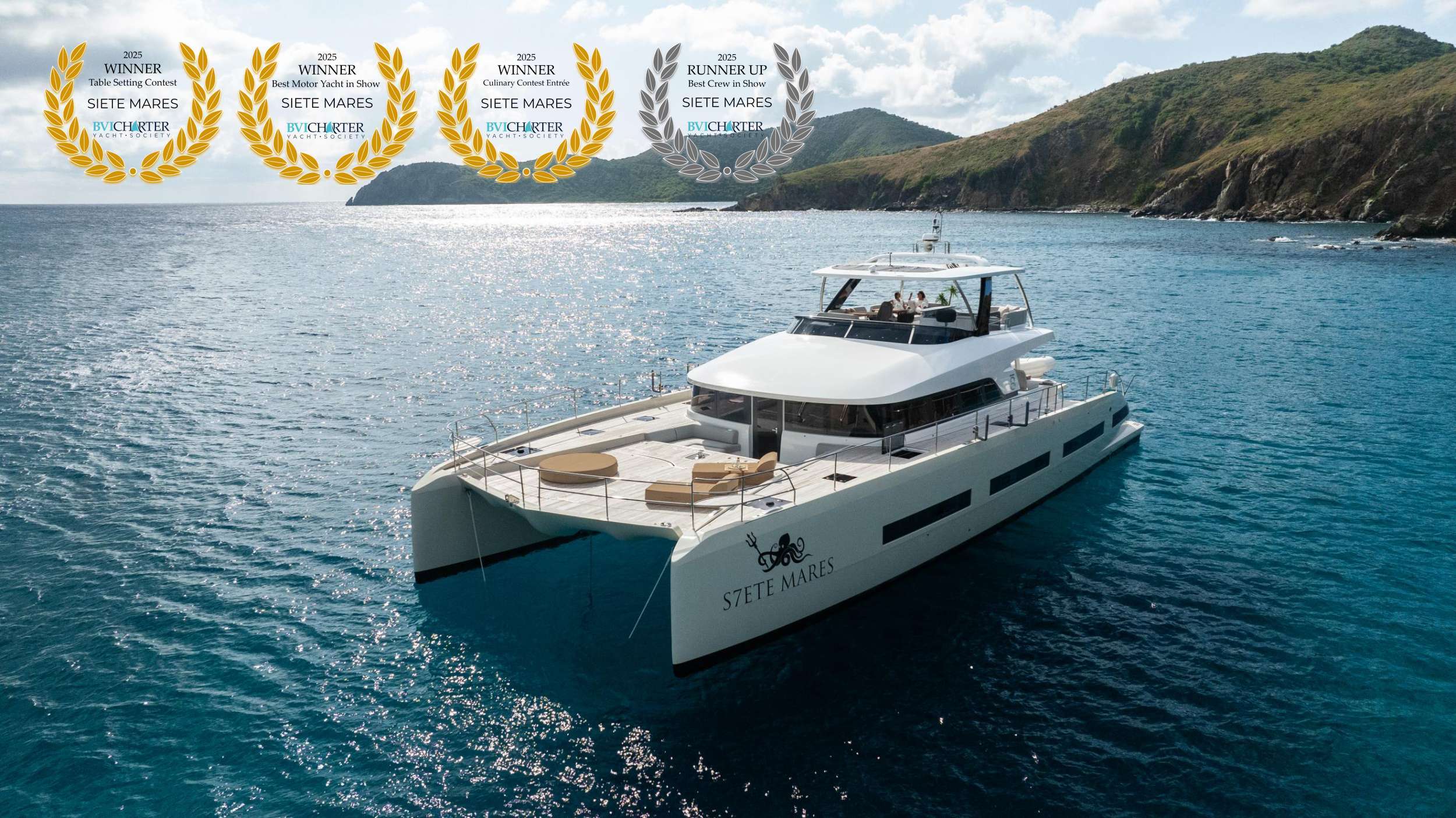
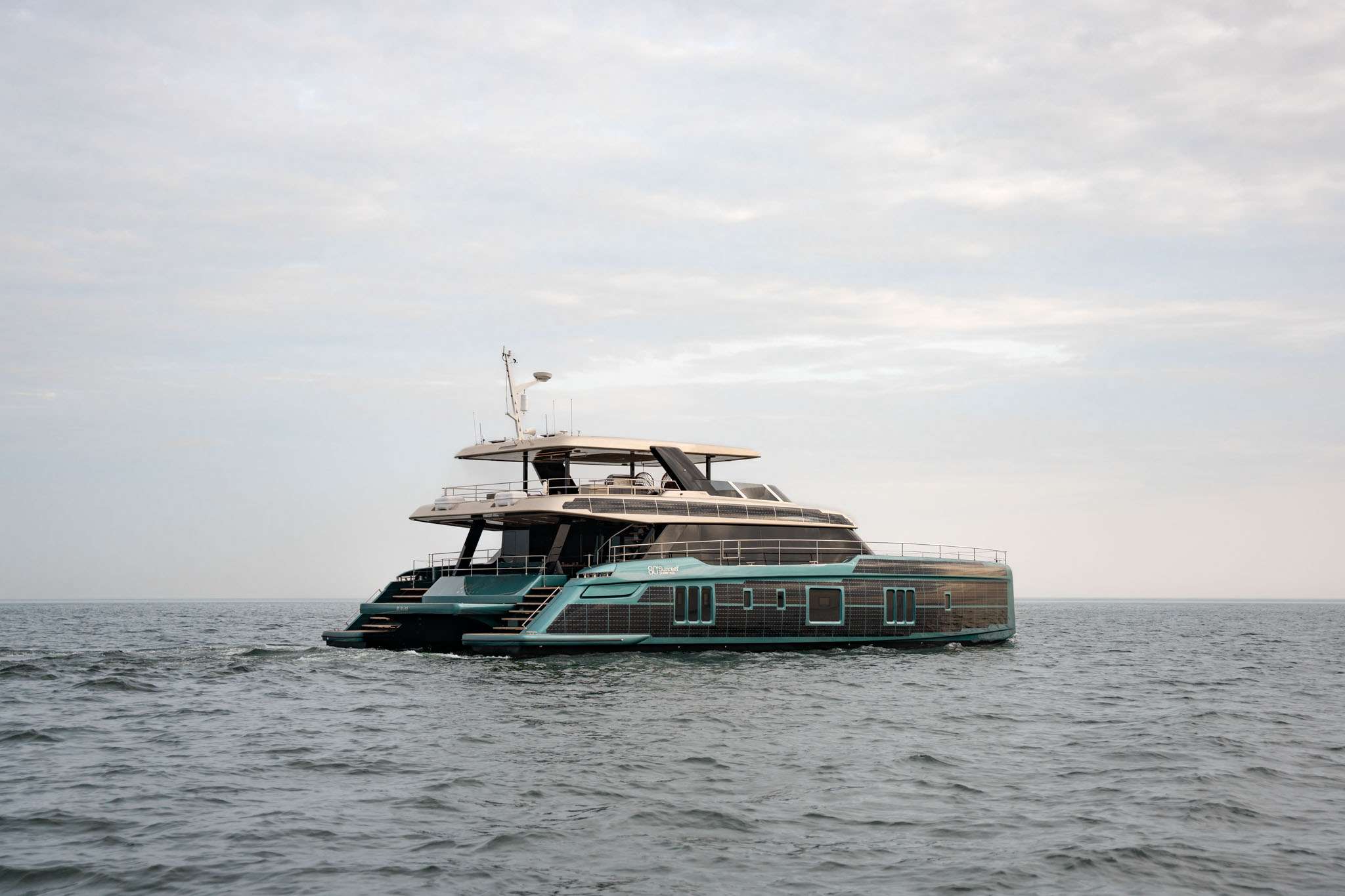
How Much Should You Tip the Crew?
Crew gratuity is one of the most important costs to include in your budget. In the Caribbean yacht charter industry, gratuity is actually commonly based on a percentage of the base charter fee and is given at the guest’s discretion.
A common range is 15% to 20% of the base charter rate, depending on the quality of service and overall experience.
| Base Charter Rate | 15% Gratuity | 20% Gratuity |
|---|---|---|
| $30,000 | $4,500 | $6,000 |
| $50,000 | $7,500 | $10,000 |
| $80,000 | $12,000 | $16,000 |
| $120,000 | $18,000 | $24,000 |
The captain usually distributes the gratuity among the crew. For more guidance, read our full article on tipping etiquette for a Caribbean yacht charter.
Are Caribbean Yacht Charters Worth the Cost?
Yes, when the yacht, crew, itinerary, and budget are aligned. Without a doubt, Caribbean yacht charter offers a level of privacy and flexibility that traditional resorts cannot easily match.
Instead of staying in one place, you can wake up in a quiet anchorage, swim before breakfast, visit a beach only reachable by boat, enjoy meals prepared around your preferences, and adjust the day based on your mood, weather, and crew recommendations.
Moreover, a yacht charter gives guests more control over the pace of the trip. The first day might include snorkeling, paddleboarding, and a beach picnic. Meanwhile, the next day might focus on quiet coves, sunset cocktails, and a chef-prepared dinner onboard.
Families, couples, and groups often value yacht charters because they offer:
- Personalized service
- Private accommodations
- Flexible island-hopping
- Custom meals and drinks
- Easy access to beaches, reefs, and hidden coves
- More time together without crowded resort schedules
- A crew that handles navigation, meals, safety, and daily logistics
Indeed, for guests who want a private, tailored, and memorable Caribbean experience, the value goes far beyond the yacht itself. Ultimately, the best charter is not just about the price. It is about how well the yacht, crew, and itinerary fit the experience you want.
How to Budget for a Caribbean Yacht Charter?
- Choose Your Destination
Decide whether you want to charter in the BVI, USVI, Bahamas, St. Martin, St. Barths, Grenadines, or another Caribbean cruising area.
- Confirm Your Guest Count
Because the number of guests affects yacht size, cabin layout, and crew requirements.
- Choose Your Yacht Style
Compare sailing yachts, catamarans, power catamarans, motor yachts, and superyachts based on comfort, speed, space, and budget.
- Decide Between All-Inclusive and Plus-Expenses
Ask whether the yacht includes meals, drinks, fuel, dockage, and water toys, or whether those costs are separate.
- Add Extras
Include gratuity, premium beverages, transfers, taxes, permits, special excursions, dockage, and travel insurance.
- Review the Payment Schedule
Most yacht charters require an initial deposit to secure the booking. Then, the remaining balance, including APA, taxes, and any delivery or redelivery fees, is usually due 45 to 60 days before embarkation. Because payment terms vary by yacht and contract, CKIM Group Inc. can help you review the schedule before confirming.
- Request a Personalized Quote
Share your budget, travel dates, destination, and preferences with a charter broker from us at CKIM Group Inc. We can help match you with available yachts that make sense for your trip.
Plan with clarity. Contact us and let us prepare a realistic cost estimate for your Caribbean yacht charter.
Your Charter Budget Made Simple
So, how much does a Caribbean yacht charter cost? In short, it depends. Overall, yacht type, season, itinerary, inclusions, guest count, crew level, and destination all matter.
However, once you understand the main pricing factors, planning becomes much easier. A smaller crewed yacht may begin around the lower five figures per week, while larger motor yachts and superyachts can move into six figures or more. The most important thing is to compare the total charter budget, not just the base rate.
In addition, your budget should reflect the experience you want. Some guests prioritize the newest yacht and premium amenities. While others prefer an experienced crew, a family-friendly cabin layout, or a destination with short cruising distances. Because each group is different, the right yacht should be chosen around your needs, not just the lowest advertised rate.
If you want freedom, privacy, comfort, and a tailored experience, a Caribbean yacht charter can deliver exceptional value.
Let CKIM Group Inc. tailor a cost estimate for your dream charter. We listen first, match you with suitable yachts, explain the costs clearly, and help you plan a Caribbean escape that fits your goals.
Ready to start? Submit a charter inquiry and let CKIM Group Inc. help you compare your best options.
FAQ | Yacht Charter Cost
A Caribbean yacht charter can start around $15,000–$30,000 per week for smaller crewed yachts. Larger catamarans, motor yachts, and superyachts can range from $45,000 to $150,000+ per week, depending on the yacht, season, destination, crew, and inclusions.
In many all-inclusive Caribbean yacht charters, meals, snacks, and standard drinks are included. However, premium wines, top-shelf spirits, specialty foods, dockage, taxes, transfers, and crew gratuity may cost extra. Always confirm inclusions before booking.
“Plus expenses” means the charter fee is separate from operating costs. Fuel, food, beverages, dockage, taxes, permits, customs, and special requests are charged separately, often through APA. Destinations such as the Bahamas often operate on a plus-expenses basis.
Most yacht charters require an initial deposit to confirm the booking. The remaining balance, including APA, taxes, and any delivery or redelivery fees, is usually due 45 to 60 days before the charter, depending on the yacht and contract terms.
Redelivery or repositioning fees apply when the yacht must move from its home port to the charter embarkation destination. These fees may cover fuel, crew time, dockage, and related relocation expenses, so they should be included in the total charter budget before booking.


