
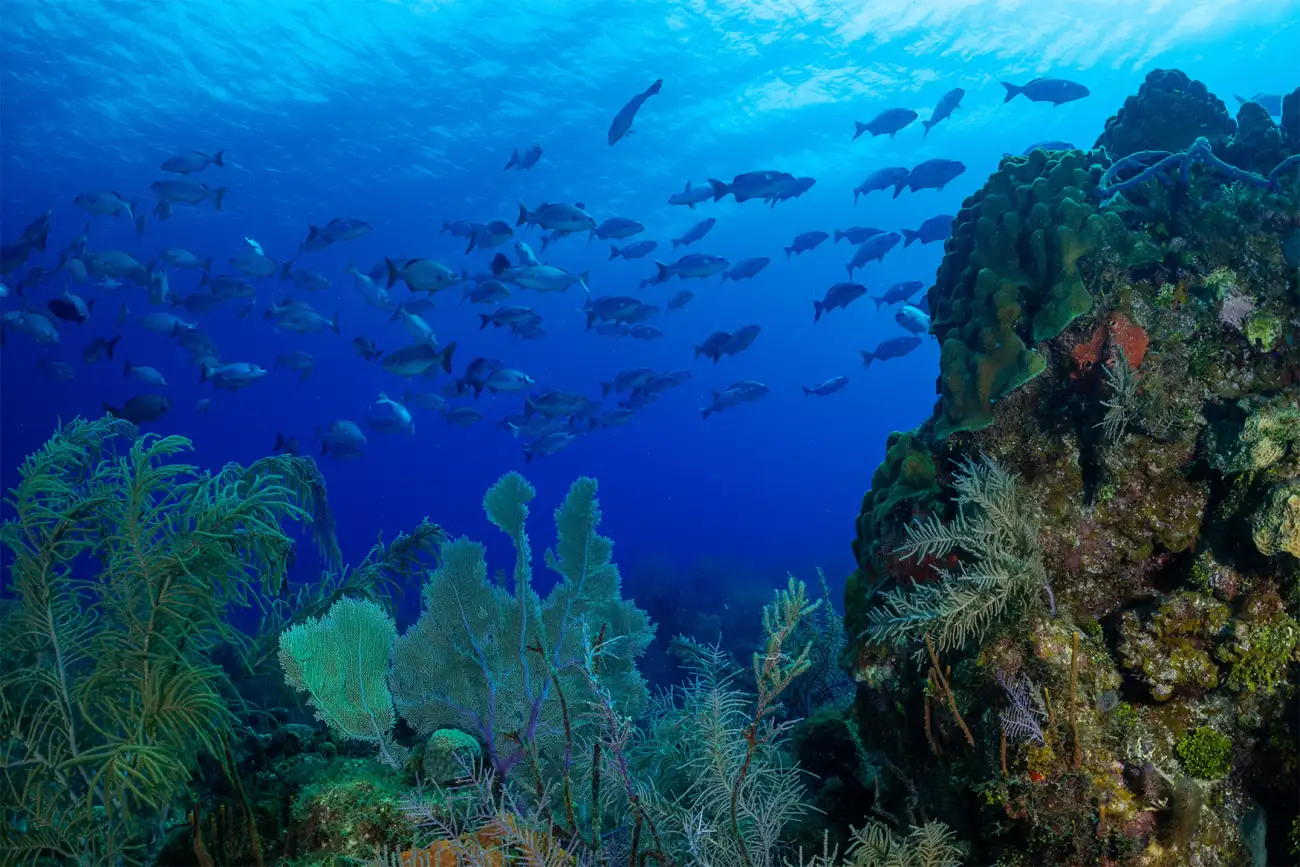
Four Good Tips For Navigating Around Coral Reefs
It’s that exciting time of year again — the moment when lucky sailors head south to the Caribbean for sunshine, turquoise seas, and unforgettable yacht adventures. Indeed, the tropics are perfect for sailing, but navigating around coral reefs requires extra care and awareness. Often, charts are not entirely accurate, so many sailors find themselves eyeballing their way into reef-protected anchorages. Fortunately, navigating through Caribbean coral reefs becomes easy when you follow a few smart and sustainable tips.
Protect the Coral Reef and Your Yacht
First and foremost, remember that coral reefs are living organisms — fragile and vital to the marine ecosystem. Therefore, always protect the reef as well as your yacht. Avoid dropping your anchor on live coral, and never let your keel crush coral heads. Doing so not only harms the reef but also risks damaging your vessel. Instead, look for sandy patches or designated mooring buoys when anchoring. Respecting the reef ensures safer sailing and preserves these underwater treasures for future generations.
Read the Water’s Color Carefully
Next, pay close attention to the color of the water, because it tells you what lies beneath. For example, deep blue means deep water. As you move toward shallower areas, the colors shift from blue to turquoise, then to light turquoise, to yellow, and finally to white. Coral heads appear as dark patches or smudges beneath the surface. Be alert, though — sometimes, grassy areas or small trade wind cloud shadows may look like coral. By reading the water properly, you’ll navigate with confidence and keep both your boat and the reef safe.
Gain a Higher Perspective
Additionally, position yourself as high above the water as possible for better visibility. The higher your viewpoint, the more clearly you can see what’s below the surface. For instance, stand tall on the cabin top or step onto the boom if it’s secure. If you feel adventurous, you can even climb partway up the spreaders for a superior angle. The difference in visibility can be remarkable. With a higher perspective, you’ll spot coral heads early, chart your course safely, and glide smoothly into your anchorage.
Use Sunlight to Your Advantage
Finally, always pay attention to the sun’s position when navigating around coral. When the sun sits in front of you, its glare makes the surface of the water opaque, making it hard to see what’s beneath. However, when the sun is behind you, sunlight shines directly through the water, allowing you to see every detail below. So, keep the sun at your back while navigating coral patches. Also, avoid entering a tricky anchorage late in the day when the sun is low, as shadows and glare will obscure your view. Ideally, drop your anchor around 3 p.m., when visibility is still excellent, and enjoy the rest of the afternoon relaxing amidst the coral gardens.
Navigate the Caribbean waters on Genesis, exploring Grenada’s stunning coral reefs and islands.
From the Boat Rat’s Tip of the Week section of Blue Water Sailing Magazine’s Cruising Compass Weekly Newsletter.
FAQ
Always keep the sun behind you, read the color of the water carefully, and look for sandy patches for anchoring. Stay alert and avoid damaging the reef.
Coral reefs are living ecosystems that support marine life. Damaging them affects biodiversity and endangers the beauty of Caribbean sailing destinations.
Deep blue means deep water, turquoise indicates shallower areas, and white marks sandy bottoms. Dark patches usually signal coral heads or rocks.
Midday to early afternoon is ideal because sunlight is high and visibility is clear. By 3 p.m., you should anchor to avoid glare from the low sun.
Polarized sunglasses reduce glare, and a high vantage point—such as standing on the cabin top—helps spot coral heads early for safer passage.
Absolutely! Many Grenada yacht charters, including the GENESIS Catamaran, offer snorkeling and sailing experiences that let you explore coral reefs safely.
For more information, go to our Information Request page or contact CKIM Group at 1321-777-1707 or email: charterassistant@ckimgroup.com


