
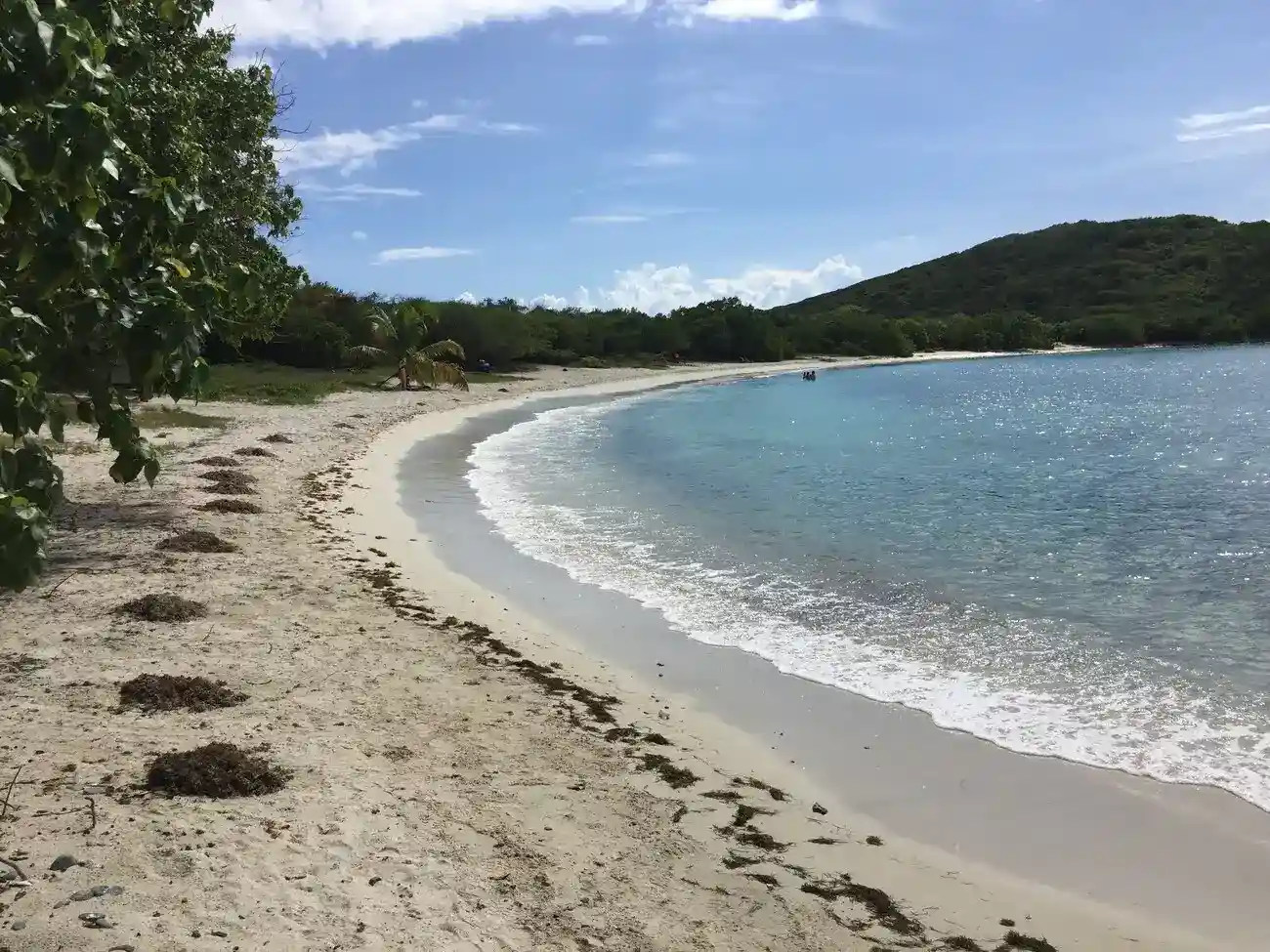
A slow-paced St. John yacht charter itinerary is built around a different idea: fewer moves can create a better week for guests who want to snorkel, swim, dive, hike, use available water toys carried by the yacht, and enjoy long meals without feeling that the boat must leave every morning.
An 8-night plan can start in St. Thomas, spend multiple nights around Francis Bay and the eastern side of St. John, then gradually return toward St. Thomas. The extra time is used to deepen the experience rather than simply add more destinations.
Choose a slower St. John itinerary when the group cares more about time in the water and time together than about counting how many islands or anchorages appear on the route.
8-Night Slow St. John Itinerary at a Glance
| Day | Primary area | Pace and purpose |
| 1 | St. Thomas / Magens Bay area | Board, settle in, easy first afternoon |
| 2 | Francis Bay | Move to St. John and start the slower rhythm |
| 3 | Francis Bay / north shore | Stay in the area; snorkel, swim, hike, or dive |
| 4 | Leinster Bay / Waterlemon area | Snorkeling and hiking without a long transfer |
| 5 | Hansen Bay / east St. John | Water toys, snorkeling, tender exploring |
| 6 | East St. John | Second day with minimal repositioning |
| 7 | Rendezvous Bay or south St. John | Gradual return west with another water-focused day |
| 8 | Rendezvous / Cruz Bay option | Flexible final full day |
| 9 | St. Thomas | Breakfast and disembarkation |
The extra night is not mainly about adding another destination. Instead, it creates room to repeat an activity guests enjoy, wait for better conditions, arrange a dive, linger over a beach day, or simply spend a second night in an area that works well for the group.
Why Choose a Slower St. John Yacht Charter Itinerary?
A yacht makes it easy to move, but movement does not have to be the goal. Instead, a slower route can keep the yacht around Francis Bay and the eastern side of St. John for more than one day. As a result, the crew has more time to adjust activities around conditions, while guests can stop treating each anchorage as a one-night appointment.
This sample itinerary is for planning inspiration, not a fixed schedule. Overnight areas are examples only and must be confirmed for the specific yacht’s length, current NPS mooring or anchoring rules, availability, and conditions. Your captain may adjust the route based on guest preferences, weather and sea conditions, yacht capabilities, cruising time, mooring or anchoring availability, local rules, and other operating considerations.
A slower St. John route is especially useful when the group values long water sessions, time aboard, or mixed activity levels. In addition, the extra night creates room to repeat a favored area, arrange optional diving, or split activities without using every day for repositioning.
St. Thomas to Magens Bay or Another Suitable First Stop
First, board at the contracted St. Thomas embarkation point, meet the crew, and keep the first afternoon simple. Magens Bay can work as a first stop for water toys, swimming, snorkeling, beach time, and sunbathing. However, wind, swell, embarkation location, and yacht size may make another St. Thomas anchorage more practical.
- Swim or use available water toys carried by the yacht after boarding.
- Spend time on the beach if conditions and access are suitable.
- Then, have dinner aboard and avoid a long first-day passage.
St. Thomas to Francis Bay, St. John
Next, move to St. John and settle into the north-shore portion of the trip. Francis Bay is useful in a slow itinerary because the group can combine swimming, snorkeling, beach time, hiking, and possible turtle viewing without needing to leave the area that afternoon. In addition, current National Park Service guidance describes Francis as generally approachable for beginner snorkelers, while visibility can still change with swell.
- Snorkel or swim close to the selected mooring area.
- Go ashore for a walk when the group wants a break from the water.
- Ask the crew whether a dive can be arranged on this or the following day.
Stay Around Francis Bay and the North Shore
By Day 3, stay in the same general area. This is the defining feature of the route. In a slower St. John yacht charter itinerary, staying in the same general area for a second day creates more room to respond to conditions and guest preferences. Instead of leaving because the itinerary says the day must be somewhere new, use the second day to repeat the activity the group enjoyed most on Day 2 or to do something that needed better timing.
- Return to the water when morning visibility is favorable.
- If the yacht’s tender and conditions allow, visit another crew-selected snorkel area.
- Add a short hike or shore visit.
- Finally, keep the afternoon intentionally unscheduled and enjoy the yacht.
Leinster Bay and Waterlemon Cay Area
From there, move east toward the Leinster Bay and Waterlemon area. This area supports a useful mix of snorkeling, paddleboarding, sunbathing, hiking, and historic exploration. Current NPS snorkeling guidance describes Waterlemon and Leinster as areas with seagrass, coral, fish, and sometimes sea turtles. However, currents can be stronger on exposed sides. Therefore, the crew should choose the access point and activity based on the group’s ability and the conditions.
- Snorkel a crew-selected section of the bay or cay.
- Go ashore for a walk toward historic ruins or viewpoints.
- Use paddleboards in suitable conditions.
- Then, return to the yacht early and leave room for a quiet evening.
Waterlemon Area to Hansen Bay and East St. John
Next, continue around the eastern side of St. John toward Hansen Bay or another east St. John option for a mix of water toys, snorkeling, and time ashore. Because east St. John conditions vary, this is a good place to keep the itinerary deliberately broad. The captain may choose Hansen, another nearby bay, or a different protected stop.
- Snorkel around a crew-selected site.
- Use any kayaks, paddleboards, or other water toys carried by the yacht.
- Explore nearby shoreline by tender when appropriate.
- Finally, finish early enough to enjoy a second slower evening aboard.
Stay in East St. John
Rather than moving again automatically, keep the yacht in the same general area for another day when the location is working well. A second day here gives the crew flexibility to repeat a favorite activity, shift a dive to better conditions, or let the group have a true no-rush charter day.
- Repeat the activity the group enjoyed most on Day 5.
- Use the tender to vary the scenery without moving the main yacht far.
- Make this a half-active, half-relaxing day instead of filling every hour.
East St. John to Rendezvous Bay or South St. John
As the charter begins its gradual return west, continue from the east side toward Rendezvous Bay or another suitable south-side area. Meanwhile, keep the day focused on water toys, snorkeling, sunbathing, tender trips, hiking, or possible diving. The exact south-side bay should remain flexible because the best choice depends on wind, swell, and yacht access.
- Swim or snorkel before the yacht moves.
- Choose a south-side bay for the afternoon based on protection and guest interest.
- If arrangements are confirmed, use the day for another dive opportunity.
Rendezvous Area, Cruz Bay Option, or Another Final St. John Day
On the final full day, match the plan to the group’s mood: more water time, another dive when arranged, or a trip into Cruz Bay for a few hours ashore. Ultimately, that flexibility is more useful than prescribing one final attraction.
- Stay in the water if the group wants one more active day.
- Alternatively, go into Cruz Bay for a few hours ashore.
- Move closer to St. Thomas if the next morning’s disembarkation timing makes that more practical.
Breakfast and Return to St. Thomas
Finally, enjoy breakfast aboard, take a final swim when timing allows, and return to the contracted St. Thomas disembarkation point. The crew will plan the final movement around the charter agreement, transfer timing, and conditions.
Activities That Benefit From a Slower Itinerary
A slower route does more than reduce yacht movement. It can also create more flexibility around water conditions, shore time, optional diving, and how guests choose to spend time aboard.
Snorkeling
A slow route gives the crew more chances to choose a site around the day’s visibility, current, and guest ability. In addition, the group can return to the water at a different time instead of treating one snorkel session as the only chance.
Rendezvous Scuba Diving
Rendezvous diving may be arranged on some charters. However, treat it as an option rather than an inclusion. Confirm whether the yacht itself offers diving or whether a separate local operator is needed, then verify certifications, equipment, dive sites, costs, and pickup logistics for the actual charter dates.
Hiking and Shore Time
Staying longer in one part of St. John makes it easier to add a trail or historic site without sacrificing the entire water day. Meanwhile, the group can separate for a few hours when some guests want to hike and others prefer the yacht.
Time Aboard
The yacht is part of the vacation. A slower St. John yacht charter itinerary creates room for breakfast without watching the clock, longer lunches, reading on deck, afternoon naps, and evenings that are not immediately followed by another early departure.
Who This Slow St. John Route Works Well For
- Couples or private groups who want calm, unhurried days.
- Families that prefer fewer daily transitions.
- Divers who may need timing flexibility for rendezvous arrangements.
- Guests who care more about snorkeling, hiking, and water time than broad island coverage.
- Repeat Caribbean travelers who do not need to collect major stops on one week-long trip.
Guests who want a broader first-time overview may prefer the 7-night St. Thomas and St. John route or, if both territories are important, the USVI and BVI circuit. For general USVI logistics, use the USVI Yacht Charter Planning Guide. Browse USVI Yacht Charters when you are ready to compare suitable yachts.
Park and Mooring Considerations
Because much of St. John’s water is managed by the National Park Service, the actual overnight location depends on current marine rules, vessel length, mooring or anchoring eligibility, availability, and conditions. Before the charter is confirmed, the selected yacht and crew should verify that the planned overnight areas are appropriate for that vessel under current NPS guidance. For broader island context, see the St. John destination guide. Check the current NPS marine visitor information when planning the trip, and let the captain make the final routing decision during the charter.
Request a Yacht Shortlist
Tell CTC your dates, guest count, cabin needs, preferred yacht style, activities, approximate budget, and whether your group prefers a slower St. John pace. We can focus the search on yachts and crews that better support that style of week.
Share the details that matter most so CTC can focus the search on yachts and crews that better fit your group, preferred pace, and St. John itinerary priorities.
Frequently Asked Questions
A second night reduces unnecessary repositioning and gives the group more time for activities, better conditions, or simple relaxation. It also creates room to change the plan without losing a destination the group cares about.
Not for guests who enjoy snorkeling, diving, hiking, water toys, and time aboard. Instead, the purpose of the extra night is depth, not maximum distance.
Possibly, but doing so changes the purpose and passage planning. If St. Croix is a priority, discuss it before yacht selection rather than adding it casually to a St. John-focused itinerary.
Yes when the route, tender access, timing, and current local conditions allow. Cruz Bay works well as an optional shore visit near the end of the trip rather than a required overnight.
No. Diving capability, crew qualifications, equipment, and rendezvous arrangements vary by yacht. Confirm all diving details for the specific charter.


